
Beyond What Eyes Can See
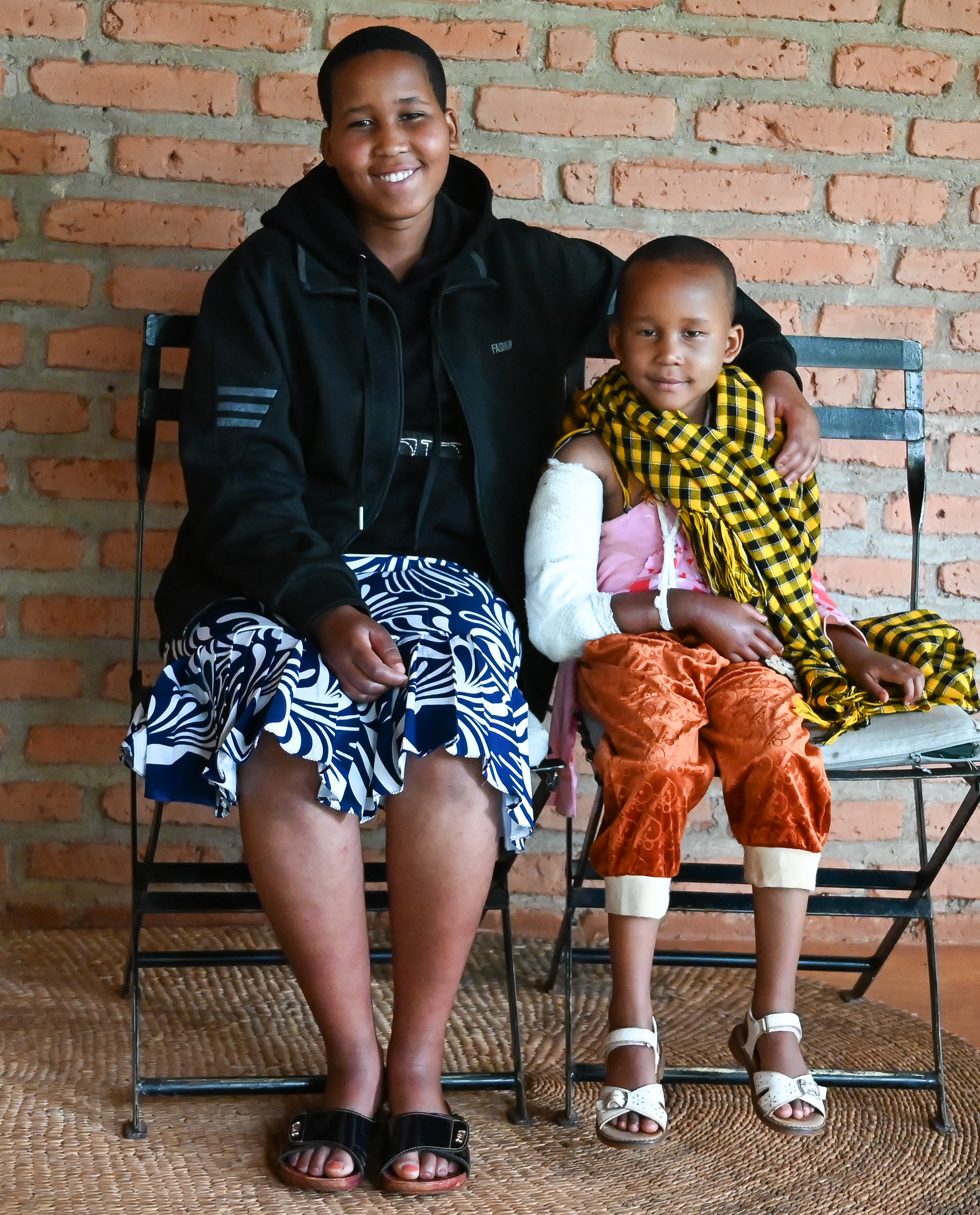
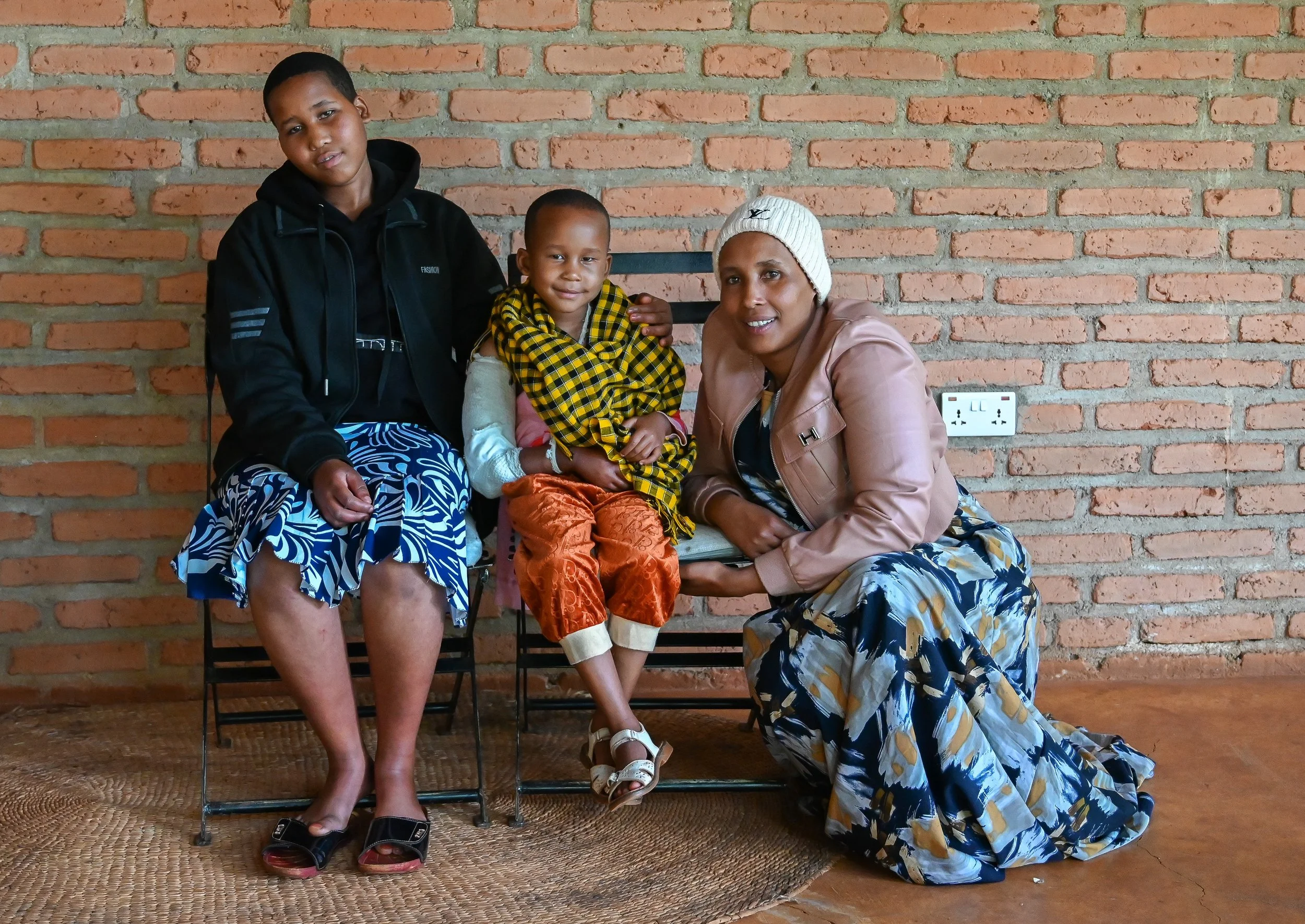
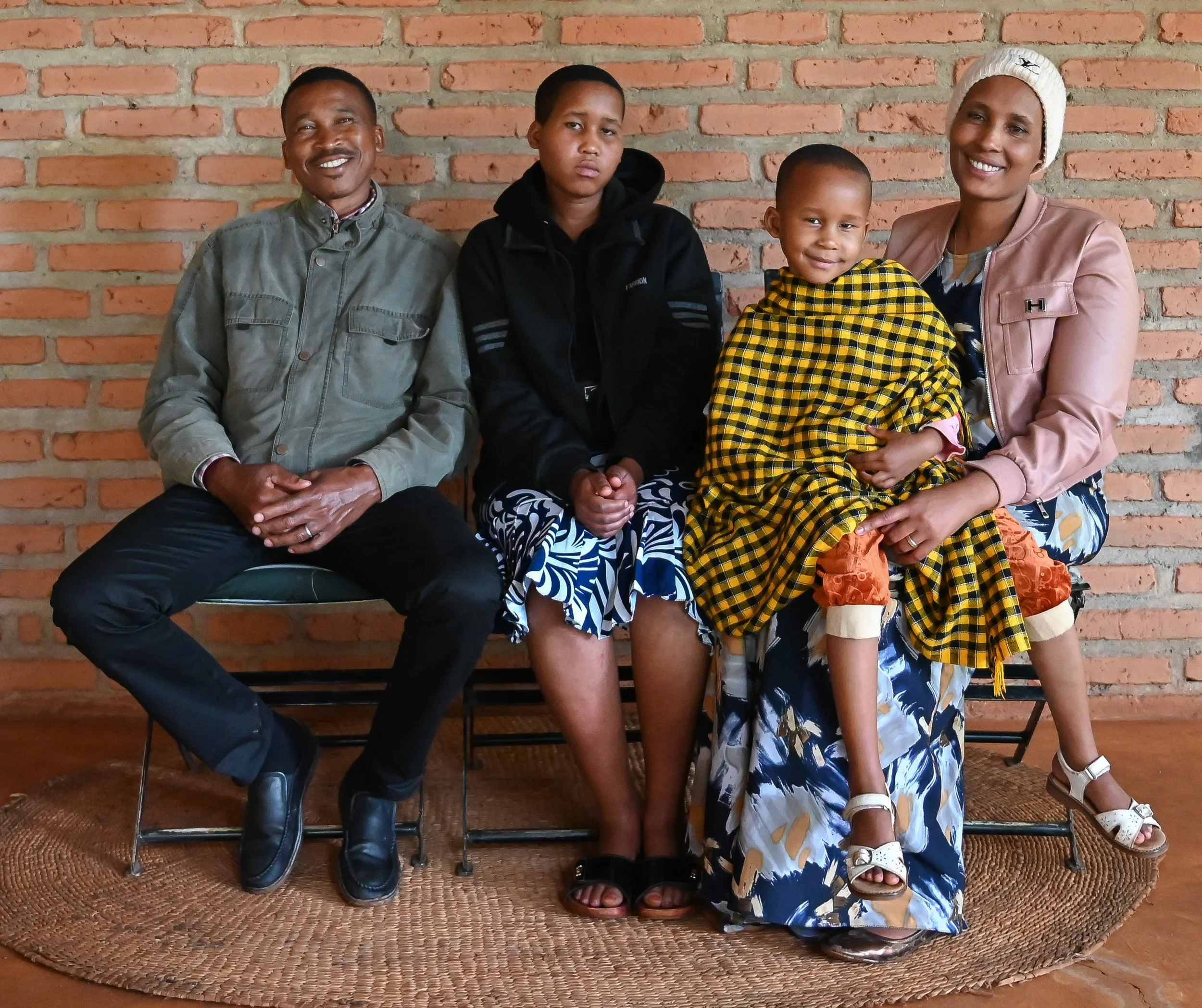
On a quiet Sunday, with light rain falling along the roadside, Neema and her younger sister were traveling home after visiting their grandmother during school holiday break. The girls were riding in a crowded public transport van when a loud bang shattered the calm. The vehicle swerved off the road and rolled over, throwing passengers against seats and windows as glass shattered around them. When the vehicle finally came to a stop, injured passengers cried out for help. Neema’s younger sister sat in pain with a broken arm, while Neema lay unconscious beside her.
The injured passengers were first taken to a small nearby clinic, where staff provided immediate care. But when Neema’s parents arrived and saw that she was still unconscious, they knew she needed more advanced treatment. “We’re going to FAME,” her father said. They had heard of the hospital in Karatu, and knew it as the only place for miles with the power to see beneath the skin.
When they arrived at FAME, Neema had regained consciousness but was experiencing a severe headache and signs of head trauma. Her parents feared the invisible: internal injuries, bleeding or damage that might only become apparent when it was too late.
At FAME, the team was able to respond quickly. Using FAME’s CT scanner — one of only a few available in the entire region — doctors examined both girls for hidden injuries that could not be detected through physical examination alone.
Relief broke like dawn. Neema’s CT was clear of major trauma: no bleed, only a concussion, but doctors also detected a minor injury that required medication and close follow-up. Without access to imaging and continued monitoring, the minor injury condition could have gone unnoticed for a while but would eventually have led to serious long-term complications, including paralysis.
Her younger sister’s arm was treated and splinted, and doctors were able to confirm there were no additional internal injuries. Both girls remained under observation overnight as the team managed pain, monitored their recovery and ensured no new complications emerged. By the next morning, Neema was awake, talking and asking for porridge.
What began as a devastating roadside accident ended with two sisters safely returning home because they had access to timely emergency care, diagnostic imaging, and a hospital equipped to provide answers when every moment mattered.
For families in rural Tanzania, access to emergency and trauma care can mean the difference between uncertainty and answers, between delayed treatment and timely intervention. FAME’s emergency medicine team, diagnostic imaging services and trauma care capacity are the difference between “we hope they’re okay” and “we know they’re okay.”
Your donation strengthens this lifeline. It keeps the machines running, the staff ready and the doors open so that patients like Neema and her sister receive the care they need when every minute matters.
Donate today to support the FAME Marathon and improve access to trauma and emergency care in Tanzania by clicking here.