Human-Wildlife Conflict: Buffalo Attack

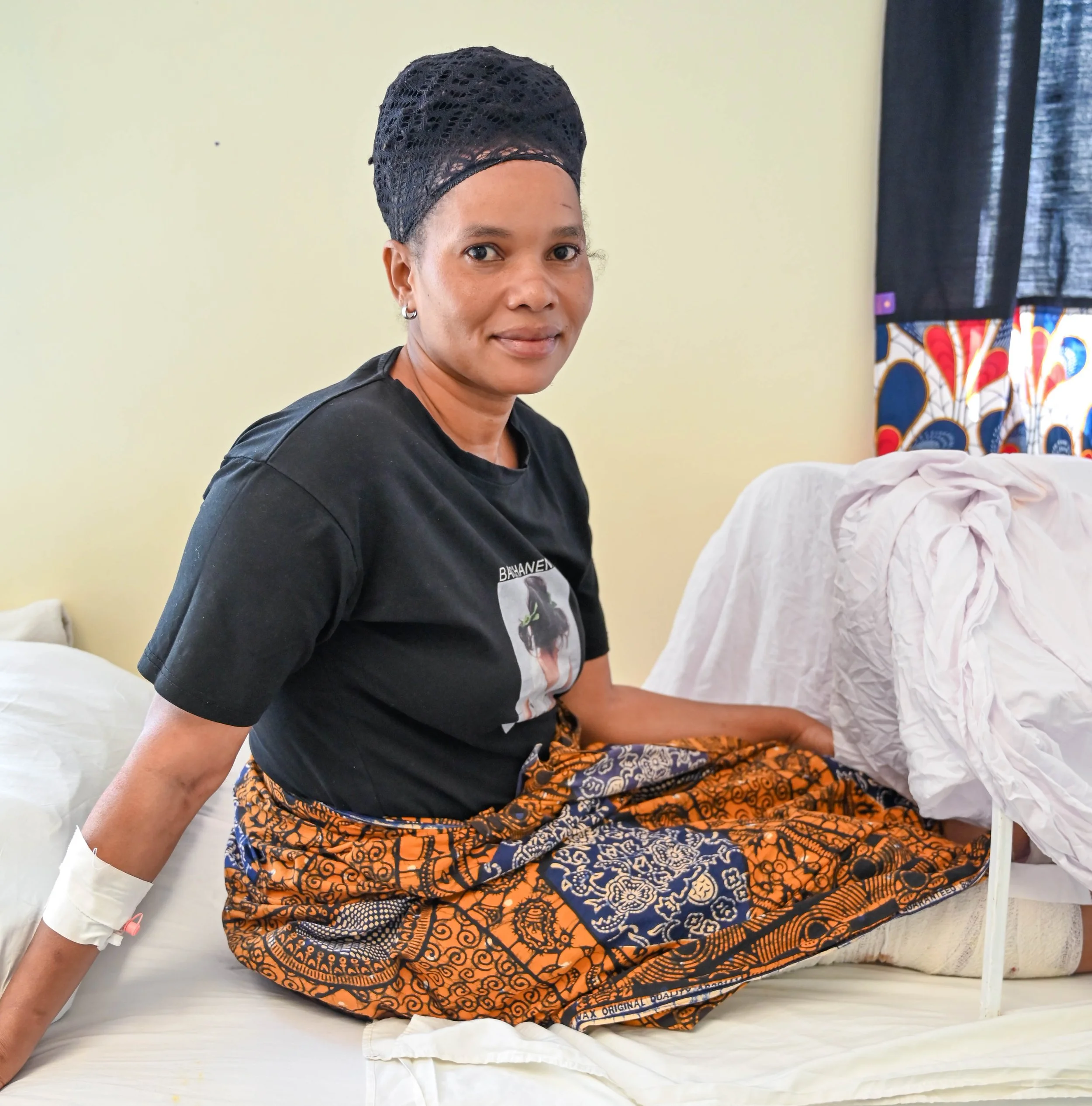
Lugongo poses at FAME’s inpatient ward.

Three months ago, we covered the human-wildlife conflict in our catchment area, where a young boy was attacked by a leopard while herding goats in the Serengeti and was quickly rushed to FAME for treatment, saving his life. You can read his story here.

This week, we encountered a similar case, only this time, it was a buffalo attacking a 59-year-old man, Lugongo*, as he picked some native wild vegetables.

Since the death of his wife a year ago, Lugongo has had to take up her chores, including picking wild vegetables for food from the forest. His home borders the Ngorongoro Conservation Area (NCA), sharing the same ecosystem as the wildlife. Due to this, human-wildlife conflicts are not unusual. 

On this fateful day, Lugongo and his friend ventured deep into the forest, searching for wild vegetables, as they often did. Suddenly, he was attacked from behind and thrown in the air.

I didn’t understand what was going on. One minute I was laughing hysterically with my friend; the next, I was high in the air. When I fell, I saw that a buffalo was attacking me. Terror, shock and fear engulfed me. I know about the buffalo. It’s a very dangerous animal. Its horns would shred me to pieces; if that didn’t work, it could easily trample on me. It’s a very heavy animal.
— Lugongo

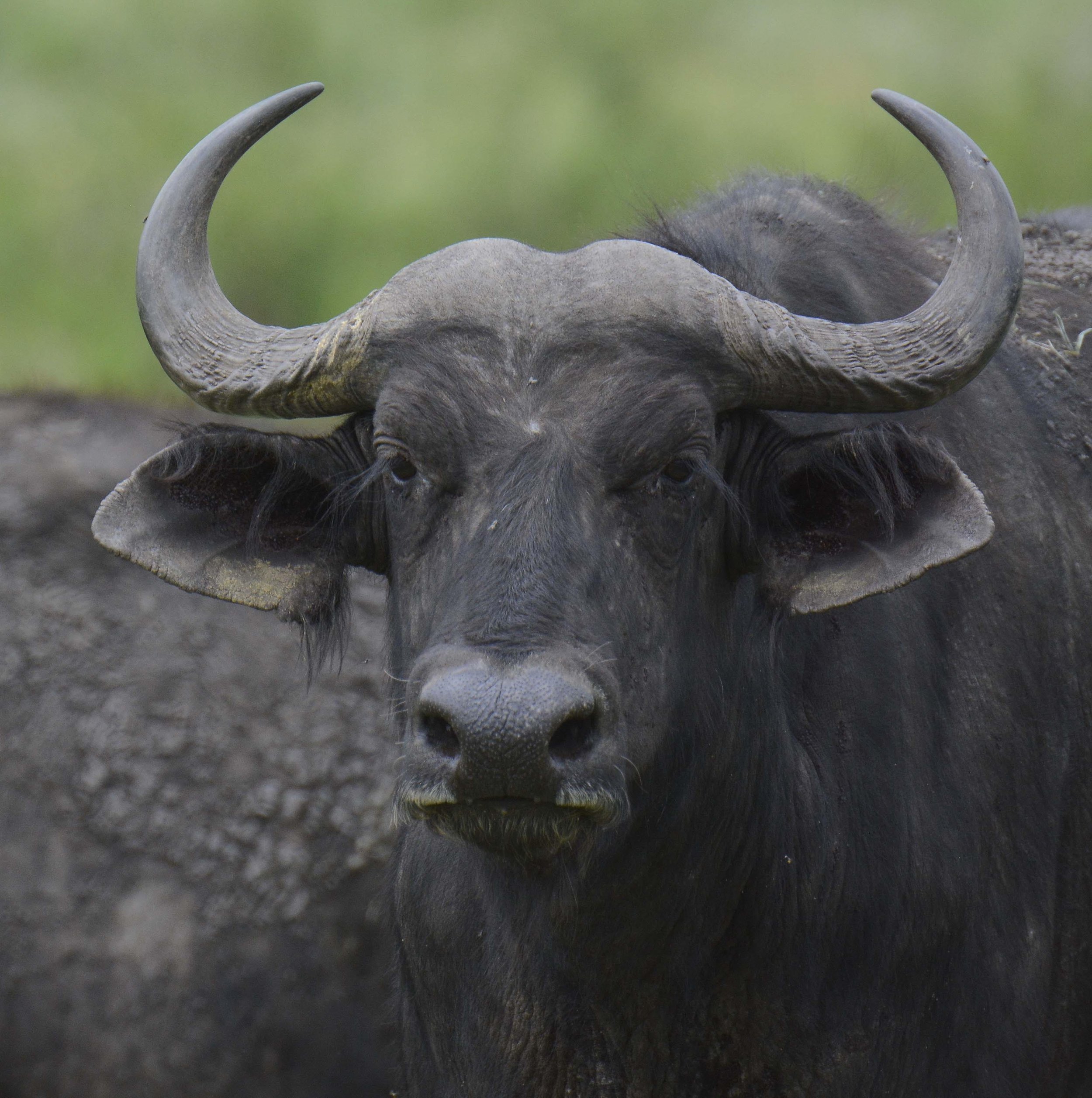
The African buffalo is a member of the Big Five wildlife animals. It weighs 660 to 1,840 pounds, is 4 to 5 feet tall and is extremely strong (National Geographic). It is herbivorous and favors dense forests and open plains for food. It is easily seen in protected areas and national parks such as the Ngorongoro Crater and the Serengeti.

Lugongo’s friend started screaming and throwing sticks and stones at the buffalo to chase it away. This alerted other people in the village, who ran to help scare the buffalo off. When it finally ran off, Lugongo was in bad shape. The villagers put him in a car and quickly rushed him to FAME. Time was of the essence if he was going to survive. 

Here, FAME’s Head Doctor, Gabriel Kissima, describes Lugongo’s condition when he arrived. 

Lugongo had suffered a traumatic chest injury from the attack. He had a cut on his chest that was 3.9 inches long and 1.5 inches wide, with many rib fractures and extensive damage to his lungs and internal organs. He had lost a lot of blood and needed emergency surgical intervention. He was sent to the operating room (OR) for trauma assessment and a thoracotomy [a surgical procedure that goes into the chest] was performed. This enabled the surgeon to see through the damaged lung and internal organs. The left lower lobe [lung] was repaired.
— Dr. Gabriel

African Buffalo, photographed in Ngorongoro by FAME’s Board Chair, Dr. Michael Rubenstein.

At FAME, surgery is increasingly becoming integral to the healthcare we provide. Once it was discovered that the patient required immediate surgical intervention for his life-threatening injuries, FAME’s surgical team moved swiftly and coordinated their work with each other to have a successful operation and save his life. With FAME’s catchment area including national parks, FAME often deals with injuries related to human-wildlife interactions that may not be as common elsewhere, such as Lugongo’s case. FAME’s surgical team is crucial for treating complex cases and saving lives in time-sensitive situations, even as essential surgery remains inadequate and poses significant challenges in rural Tanzania.  

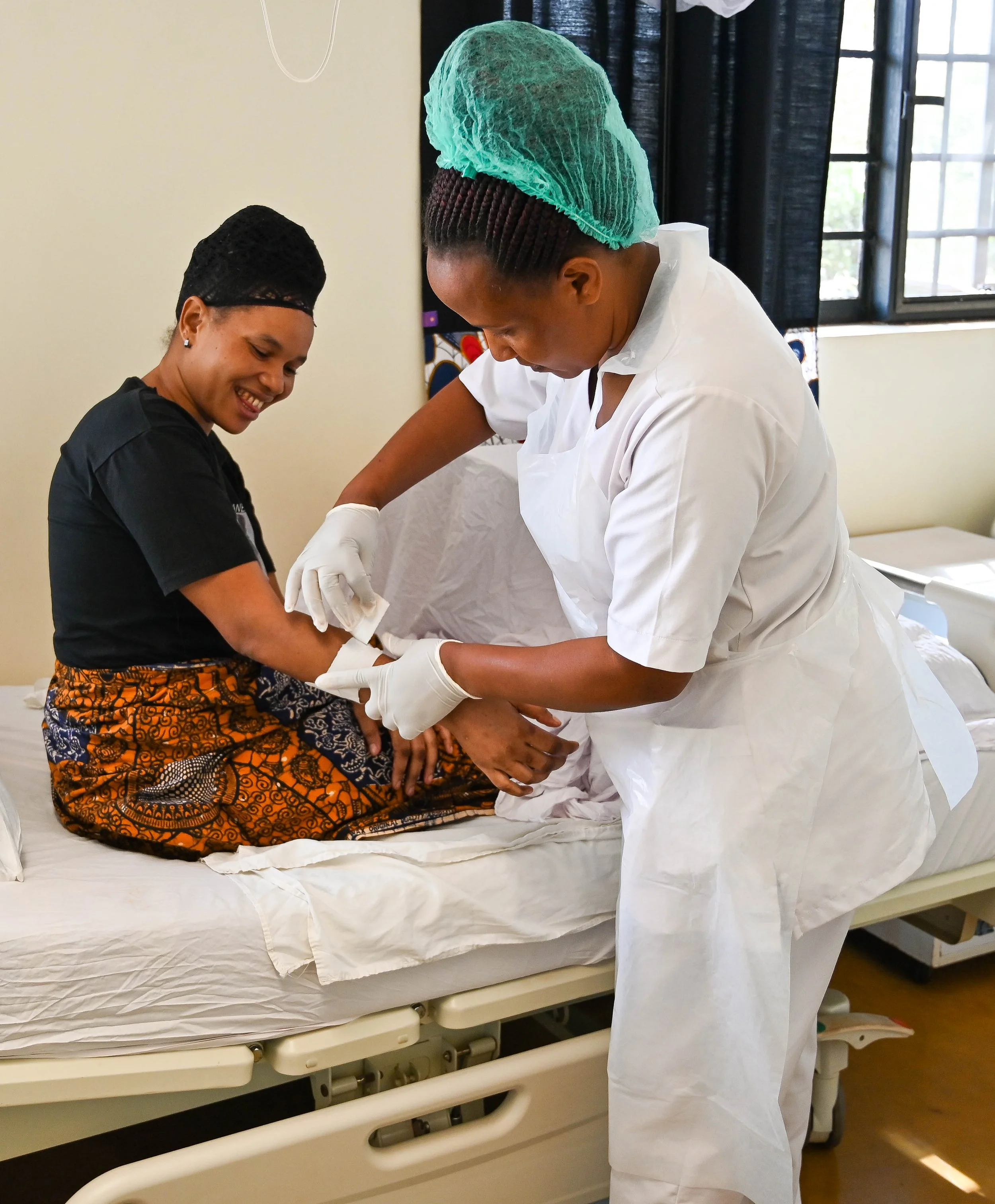
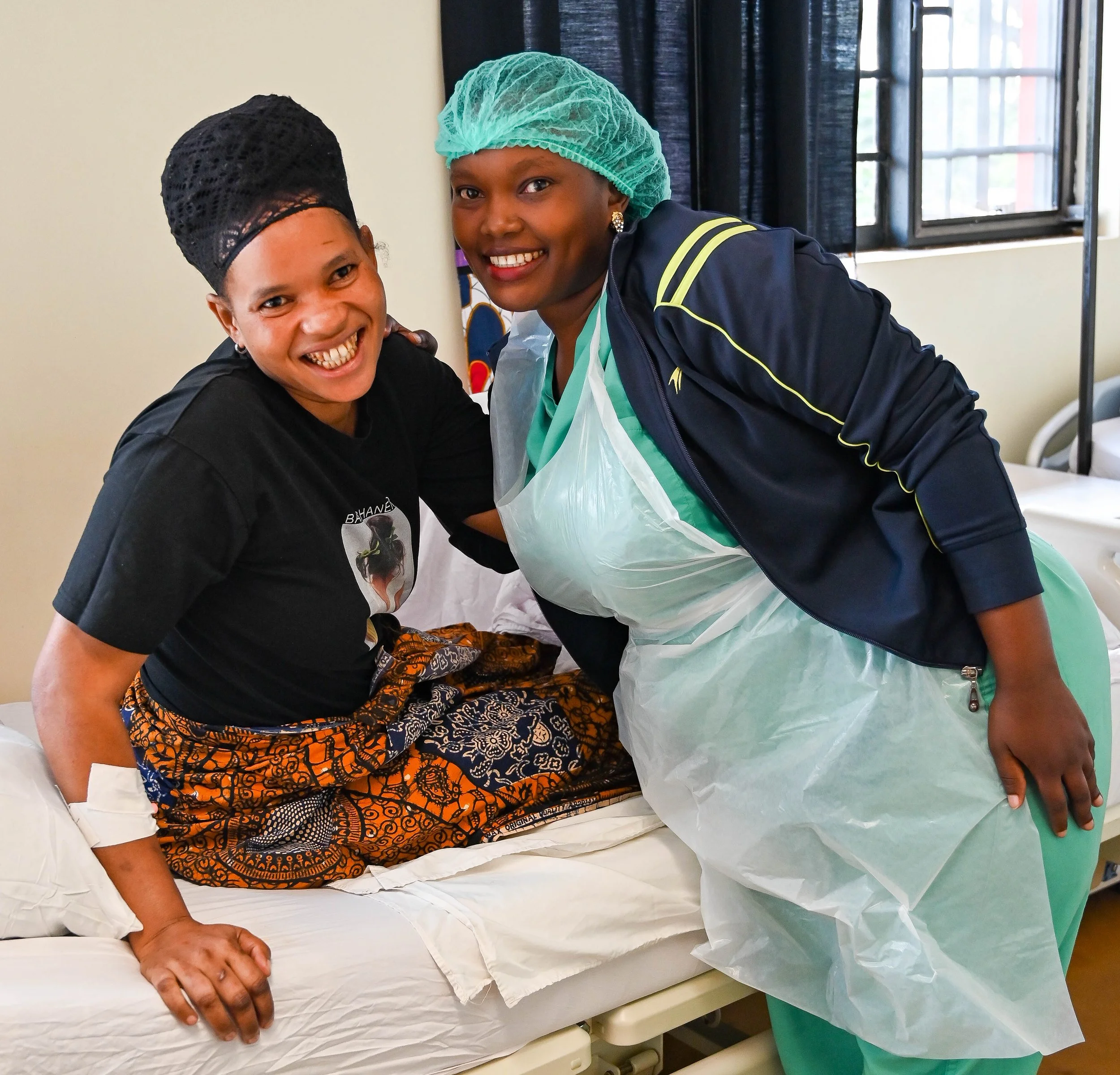
It has been four days since the surgery and Lugongo is awake and fully alert. The doctors expect a full recovery. 

FAME saved my life. My family confided in me that they were sure I would die since the injuries were so severe. After four days here, I feel much better. I’m still in a little pain, but I can sit up and talk to the doctors and nurses when they come around. I am telling my story to warn people of wild animals’ danger and ask them to be careful. And if they are ever attacked, FAME will save them!
— Lugongo

*While the patient’s name has been changed to protect privacy, permission was secured to share his photos and story with FAME supporters and to raise awareness of available medical care at FAME Medical.

FAME Africa
Neonatal Jaundice at FAME

22-year-old Saraphina* is admitted to FAME’s Special Care Nursery (SCN) with her four-day-old son. After a routine baby vaccination visit to FAME’s Reproductive Health Clinic (RCH), he was diagnosed with Jaundice, a yellow discoloration of a newborn's skin that occurs when the baby's blood contains an excess of a yellow pigment in red blood cells (Bilirubin).

The diagnosis was a huge shock. The baby looked fine and was breastfeeding quite well. After a routine blood test, they told me he had jaundice. I didn’t know what that meant, but the RCH staff went to great lengths to explain what it was and how because my son was born full term and had no other medical issues, it was generally not dangerous in this situation. Still, he needed phototherapy for a day or two
— Saraphina

Phototherapy involves a special type of light used to treat newborn jaundice by making it easier for the baby's liver to break down and remove the bilirubin from their blood. Phototherapy aims to expose the baby's skin to as much light as possible.

Saraphina and her son at FAME’s Special Care Nursery (SCN).

Saraphina, a first-time mother, came to FAME when she got pregnant on the recommendation of her big sister, who had given birth at FAME six months earlier. Seraphina came to FAME for her prenatal classes, gave birth at FAME and has now enrolled her son in FAME’s baby clinic at the RCH.

I had an easy pregnancy, with my son being born naturally at full term weighing 7.7 lbs. I thought the pregnancy and the delivery were the hardest part. Still, I’m finding out Kuzaa Si Kazi Bali Kulea Ndiyo Kazi [It is not difficult to nurse a pregnancy, what is difficult is to bring up a child- Swahili Proverb].
— Saraphina

Saraphina’s son was taken to FAME’s Special Care Nursery for phototherapy. 

They had explained that my son would have to be under special lights for a day or two to help eliminate jaundice, but I was intimidated once I saw the lights. I was scared the lamp would burn him too hot; he was just four days old! They assured me that the light would not harm the baby and that special glasses would protect his eyes.
— Saraphina

After two days, Saraphina and her boy are ready to go home. 

I want to thank FAME for supporting me on this journey of motherhood. FAME has been here from the start. If it weren’t for FAME, I would not have known that there was a problem with my child. I asked the RCH staff how they knew what to test for and they told me that these were routine tests for every newborn coming for a postnatal checkup within seven days. As mothers from this area, we are blessed to have FAME.
— Saraphina

FAME now has four phototherapy units. The two newest phototherapy lights were very generously donated by Redding West Rotary group. They have been a crucial addition to increase FAME’s capacity to treat newborns for jaundice and reduce costly referrals for families.

*While the patient’s name has been changed to protect privacy, permission was secured to share her photos and story with FAME supporters and to raise awareness of available medical care at FAME Medical.

FAME Africa
Brucellosis at FAME

FAME’s Pediatrician, Dr. Elissa Zirinsky (left) together with FAME’s Social Worker, Kitashu Nganana (right) talk to Sankara and his father (middle) during the consultation.

At FAME’s Outpatient Department (OPD), we meet a dad and son duo who’ve come in for their follow-up appointment. Sankara*, age 11, suffers from brucellosis, an infectious disease caused by direct contact with infected animals, eating or drinking contaminated animal products, or inhaling airborne agents. Sankara’s brucellosis is likely caused by ingesting raw (unpasteurized) milk from infected cows.

Sankara and his father come from a village two hours away from FAME. They first came to FAME a month ago when Sankara had eye problems. He complained of eye pain, redness and blurred vision. He also had a fever and vomiting.

Sankara suddenly could not see very well. He could not count the cows correctly when they came home from the fields in the evenings, something he had done many times since he was a little boy. He then started having a fever and vomiting and became very weak. After trying local herbs and he wasn’t getting better, I brought him to FAME.
— Sankara's Father

After having his blood tests done at FAME, Sankara was diagnosed with brucellosis. 

I have heard about brucellosis before, but I was surprised that Sankara had it. I was very worried about him as it was clear that something was wrong. But the doctor reassured me he would be fine.
— Sankara's Father

In 2022, FAME treated 30 cases of brucellosis. This number is down from the 33 cases treated in 2021. This decrease is partly due to the Tanzanian Government’s 5-year One Health Strategic Plan (2015-2020) to enhance collaboration among humans, animals and wildlife health sectors to reduce the transmission of infectious diseases from animals to humans.

Sankara was given antibiotics and instructed to come back for a check-up after a month. Today he’s back and ready to see FAME’s pediatrician, Dr. Elissa Zirinsky. FAME’s Social Worker, Kitashu Nganana, joins the consultation to help with the translation, as Sankara’s father only speaks Maasai. 

Dr. Elissa enters the examination room and greets the duo with a cheerful Maasai greeting, “Takwenya!” and Sankara and his father burst into fits of laughter! It turns out this Maasai greeting is only used towards women, never to boys or men! Sankara’s father, however, quickly reassures Dr. Elissa that they are very proud of her for speaking their language!

Dr. Elissa is happy with Sankara’s improvement since his first visit.

Brucellosis can be challenging to treat, so I’m happy that Sankara is responding well to medication. Today I gave him the first dose of IV antibiotics and with Kitashu’s help, arranged for him to go daily to a health dispensary near his home for the remaining six days. This makes it much easier for the family, as they live far from FAME. I trust the family to complete the antibiotics course and look forward to seeing Sankara in a few weeks for a follow-up. We have talked to them about the importance of boiling milk and cooking meat thoroughly to prevent brucellosis. We asked them to use this opportunity to educate their community as well.
— Dr. Elissa

“In my community [Maasai], it is common for boys between the ages of 9 and 12 to drink raw milk from the cows. They believe it makes them strong as they prepare for their warrior stage. When we get these cases, such as Sankara’s, we take the opportunity to educate them on the dangers of eating raw meats and drinking raw milk.”

-FAME’s Social Worker, Kitashu Nganana

I was shocked when FAME called to remind me to bring Sankara for his follow-up visit and asked how he was doing. I was blown away! FAME deeply cares about us and I’m happy that my son is in your care. It might be normal for you to check up on your patients after they leave, but for us, it means the world that someone cares this much about us. Thank you.
— Sankara's Father
Thank you for giving me medicine to take the pain away!
— Sankara

*While the patient’s name has been changed to protect privacy, permission was secured to share their photos and story with FAME supporters and to raise awareness of available medical care at FAME Medical.

FAME Africa
Shama Cash-Goldwasser, Epidemic Intelligence Services Officer, CDC

Dr. Shama with FAME’s doctors.

Dr. Shama training FAME doctors.

Dr. Shama hiking with FAME staff and is joined by volunteer Diane Berthel (second right).

I currently work for the Centers for Disease Control and Prevention (CDC) as an Epidemic Intelligence Services Officer based at the Minnesota Department of Health in St. Paul, Minnesota (https://www.cdc.gov/eis/who-we-are/index.html). Before joining CDC, I lived and worked overseas for years and trained as an infectious diseases doctor.

I first heard about FAME in 2015 when I lived in Moshi for a year. My team was researching brucellosis in the Ngorongoro Conservation Area (NCA), based at Endulen Hospital. We traveled between Moshi and the NCA quite a bit, and on one of those visits, we stopped at FAME to talk to Dr. Frank about brucellosis. 

After this experience, I wanted to return to Tanzania. I wanted to use my specialized training to provide clinical consultation and teach with permanent local staff rather than dropping in as a foreign doctor, seeing patients myself, and leaving – a less sustainable model. FAME offered a short-term opportunity to do all those things. 

I felt very welcome when I arrived at FAME in 2022. The volunteer program is well organized. Communication before my arrival was excellent. All of the travel and other logistics were managed. When I arrived at the hospital, everything was set up for me. Whenever I needed anything or had any questions, Prosper [FAME’s Volunteer Coordinator] was available and cared for everything. The living accommodations are spacious and very comfortable. 

FAME is located in one of the most beautiful places I have been. It is in a gorgeous and quiet setting close to the NCA. It is also within walking distance of the town of Karatu, which is convenient. It feels very safe. The food at FAME is fantastic and in no short supply. For lunch, volunteers and hospital staff eat excellent Tanzanian food prepared by Samweli and his team, and for dinner, food shows up hot at your doorstep! 

The Tanzanian medical team was welcoming to new volunteers. Volunteers are integrated into the schedule depending on what they can offer. The medical staff were eager to welcome new clinicians and learn from them. I worked mostly with doctors and I learned a lot from them about the realities of working in that setting. I found it is best to observe and ask questions to truly understand the issues and realistic potential solutions and then to discuss ways to practice evidence-based medicine in keeping with those realities. 

I gave several morning talks. I found it best to teach on topics the clinical staff asks for or to observe on rounds for a while, then come up with topics that feel salient to the realities you observe and discuss those ideas with clinical leadership. Like medical and residency training talks in the US, it is great to go back to basics and give solid bread-and-butter talks on chosen topics – everyone can benefit from that. 

Unfortunately, because of my work schedule in the US, I have only been able to volunteer once. Still, I want to encourage western trained doctors to consider volunteering at FAME. It can be a very positive experience. But I encourage people to think carefully about why they are doing it, what they think they can contribute, and what they want to get out of it. It is a big trip. You function as support to a self-sufficient organization and the key is to integrate and provide the support that is asked of you. 

Volunteer Dr. Shama Cash-Goldwasser (center) is pictured with FAME's social worker, Nganana Kitashu (far left), during their trip to the village to find rabies-infected persons

Editors Note: Dr. Shama was instrumental in helping FAME save the lives of children in our catchment area who were exposed to rabies leading to the death of one of the children. You can read the story in the FAME Journal here. This story was featured in Resolve to Save Lives (RTSL)’s annual report called “Epidemics That Didn’t Happen.” You can read the report here. It was also picked up by the English newspaper, The Citizen Tanzania, as an example of Tanzania’s swift response to rabies and you can read it here

FAME Africa
Embracing The Holiday Spirit of Togetherness: Nancy’s Story


While the holidays are a time of joy, family, comfort and home, illnesses and injuries do not take a break for any season. Every holiday season presents opportunities to embrace the spirit of connectedness that brings people together: families, friends and even people who don’t know each other. This week, FAME received Nancy, a patient who suffered severe burns at her workplace and could only make it to FAME for life-saving treatment with the help and support of her work family, ensuring that she survived her burns and would be able to celebrate the holidays with her son. 

36-year-old Nancy* works in a restaurant in Mto Wa Mbu, a town 20 miles from FAME. The restaurant where she works is famous for its all-you-can-eat buffets and with it being the festive season, the buffets have peaked in popularity. As usual, it's Nancy’s job to set up the restaurant's buffet, which is available for 2-3 hours. To ensure that the food stays warm the entire time, the restaurant uses an apparatus, usually consisting of a metal dish with a heating appliance beneath it that contains methylated spirit (surgical spirit), which is 95% ethanol and 5% methanol, to keep the food warm. 

I set up the lunch buffet as I have done many times. As I lit up the heating appliance containing the methylated spirit, it slid off my hand and fell to the ground, where the spirit splashed on my dress. I wore a polyester dress, which immediately caught fire. I didn’t think the flames would spread so fast, but they did! I was screaming my head off, moving back and forth frantically, which in hindsight, was making the fire spread even faster. My colleagues quickly surrounded me and tried to put out the fire, but because of the type of fabric of my dress, it was sticking to the burnt flesh on my legs.
— Nancy

When they finally put out the flames, Nancy’s co-workers rushed her to a local clinic. Her legs were terribly burnt. The local clinic injected her with a painkiller and asked that they take her to a hospital that could manage her condition because they could not care for her. The clinic explained that the burn care they could offer was scarce and of limited quality and they were not sure that the care they could provide would reduce disability or prevent mortality. Burn management is particularly challenging in resource-limited settings, where there are few trained providers, and medicine and supplies are not widely available for burn treatment.

Unfortunately, neither Nancy nor her colleagues could pay for the transport to get her to a hospital that could help. Nancy’s colleagues called their boss, who was not at the restaurant when the accident happened and updated him on the situation. They asked if he could organize transport to a hospital that could manage her critical case. 

My boss saved my life. Once he heard about the accident, he brought me to FAME in his car. He chose FAME as everyone in our area is familiar with this hospital and the work it does for our community. We all know of someone treated at FAME with good outcomes. I’m very thankful he brought me here; otherwise, my story would have had a tragic ending. Together with my colleagues, they were selfless and put my needs first and above all else, and for that, I’m very grateful.
— Nancy

Ten hours after sustaining the burn injury on her legs and thighs, Nancy was received at FAME and offered timely access to safe burn care, starting with first aid, before being transferred to FAME’s inpatient ward for admission. She had suffered second-degree burns (burns that affect both the epidermis and the second layer of the skin, the dermis).

My colleagues who accompanied my boss to FAME told me I was offered quick service, which saved my life. They said my legs were so burnt; they didn’t think I could ever walk again. The FAME team worked together to ensure I was comfortable and not in pain. Despite never having been to FAME before, they embraced me like family and treated me like one of their own.
— Nancy

Fire-related burns from extreme temperatures remain a significant health problem, with over 95% occurring in low and middle-income countries, eleven times higher than in high-income countries (WHO). This often results in prolonged hospital stays, disfigurement, disability and death. Long-term morbidity is often a significant problem for burn survivors, creating suffering for the individual and their family.

When I regained consciousness at FAME, I was in intense pain. The doctors assured me they were doing everything possible to save my legs. I was scared that if they didn’t, I would be unable to provide for my 15-year son. I am a single parent who needs to be able to walk and work to make a living.
— Nancy

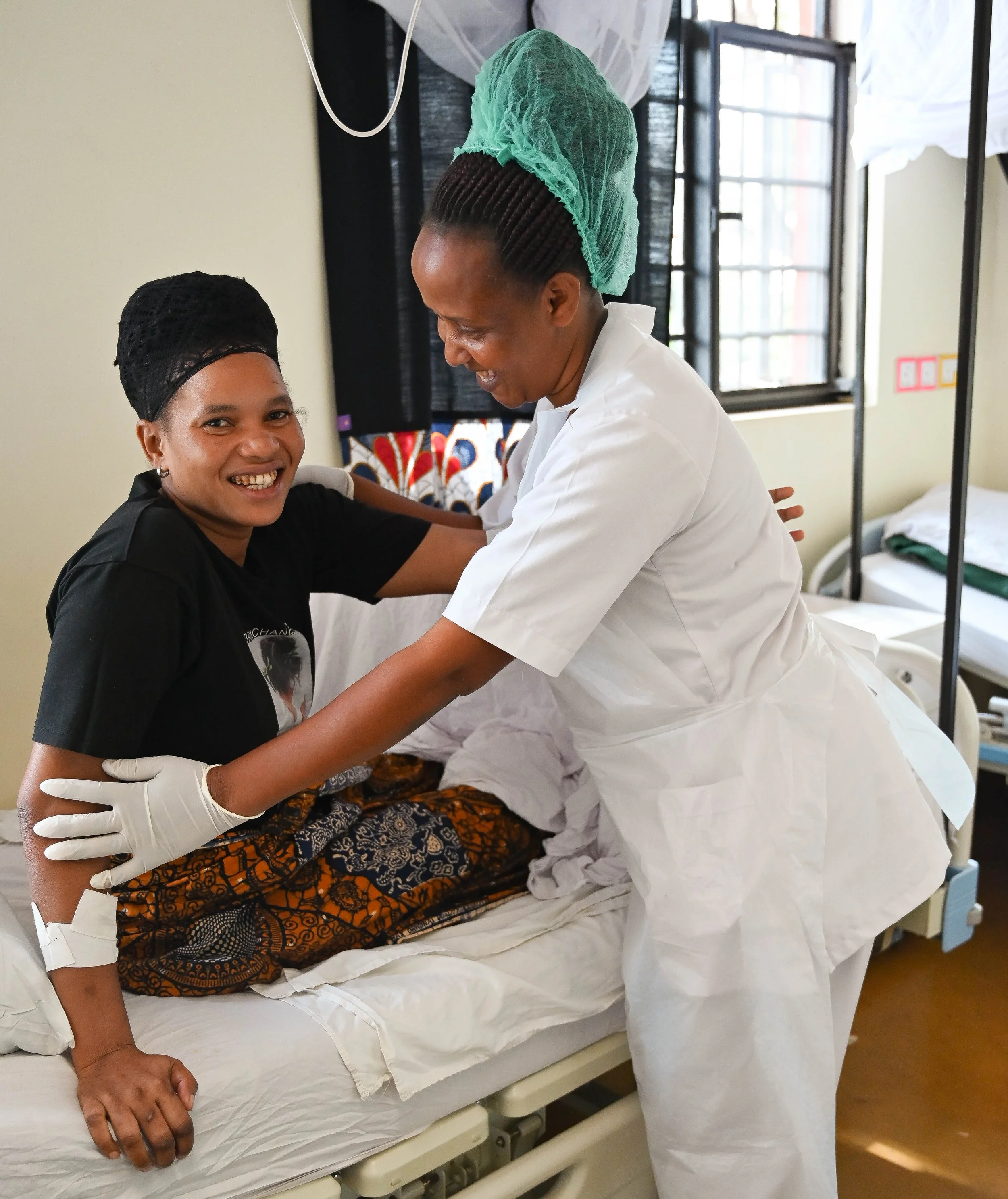
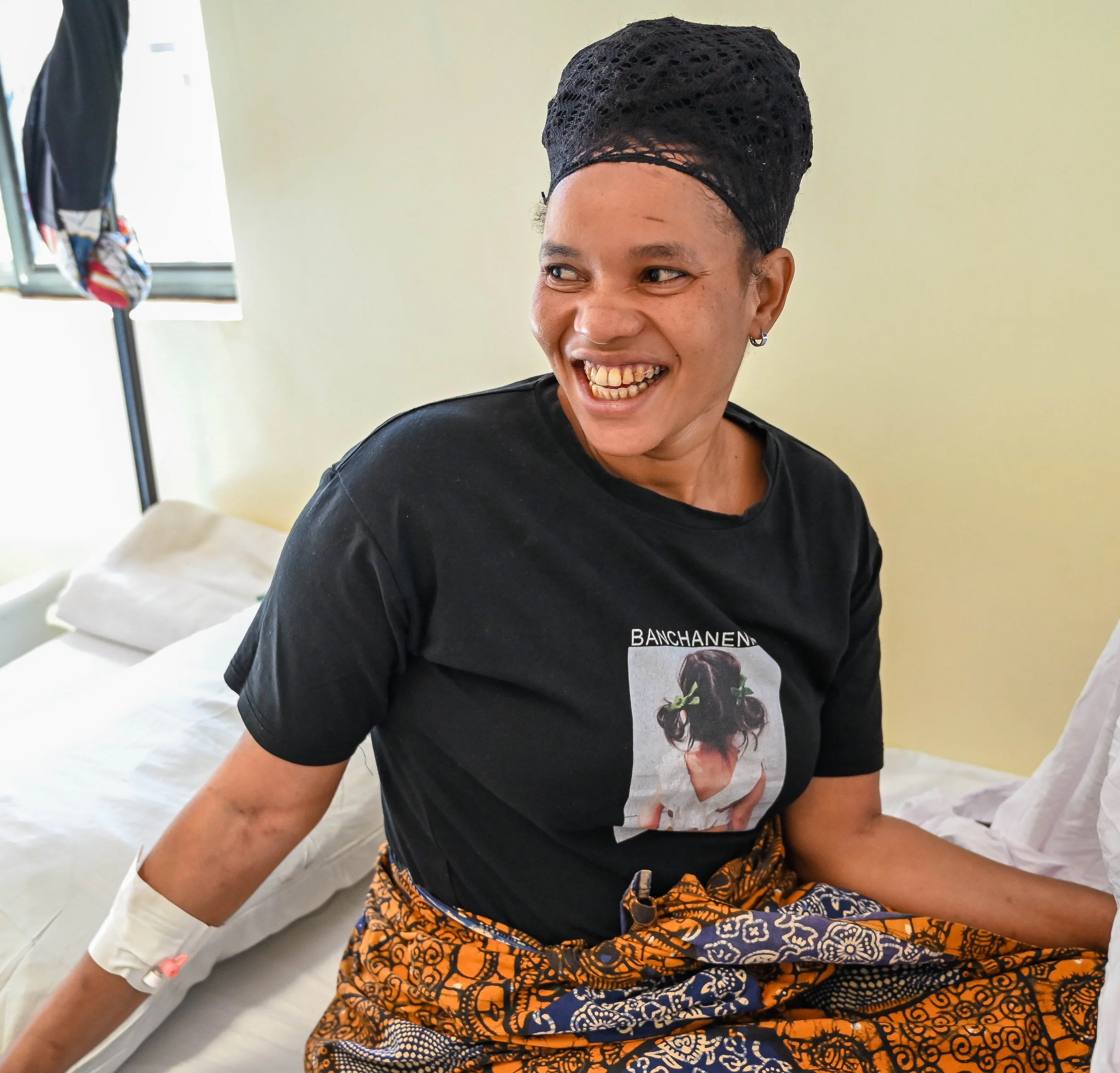
Nancy is now recovered and doing well. After almost three weeks in FAME’s inpatient ward, she is clinically stable, reports only mild pain and her wounds are healing well. She can now walk short distances but cannot bend her knees. The doctors have given her some light exercises to do when she returns home.

I would like to advise my fellow workers in the hospitality industry to be extra vigilant. When you work with something for so long, you tend to forget it could be dangerous. As part of my job, I have been setting up the buffet consistently for the past eight years, and nothing bad has ever happened. I became complicit and careless as time passed, leading to my accident. This has been a horrific ordeal for my family and me. I am lucky that FAME has provided me with quality healthcare. Since the accident, my friends have told me many stories of people with badly healed burns due to lack of or poor wound care. FAME’s understanding of burn treatment has been a blessing to me.
— Nancy

An ecstatic Nancy poses with Nurse Naserian John.

Nurse Nanyu Samweli with Nancy.

After 20 days, I’m happy that I am finally going home today. I leave with the hope that I will get better and go back to work. I’m sad that I am leaving behind my newfound friends, the FAME medical staff. We have shared many laughs and they have consoled me through my lowest of lows. I will still be coming for a change of burn wound dressing, so I will still see them, which makes me very happy. Thank you, FAME staff, for the healthcare, friendship and everything!
— Nancy


Through the compassion of her work family and the FAME family, what could have been a tragedy turned into a cherished holiday reminder of the healing power of togetherness.

*While the patient’s name has been changed to protect privacy, permission was secured to share her photos and story with FAME supporters and to raise awareness of available medical care at FAME Medical.

FAME Africa