Joyce's Joy: 30 Days of Love and Care in FAME’s NICU

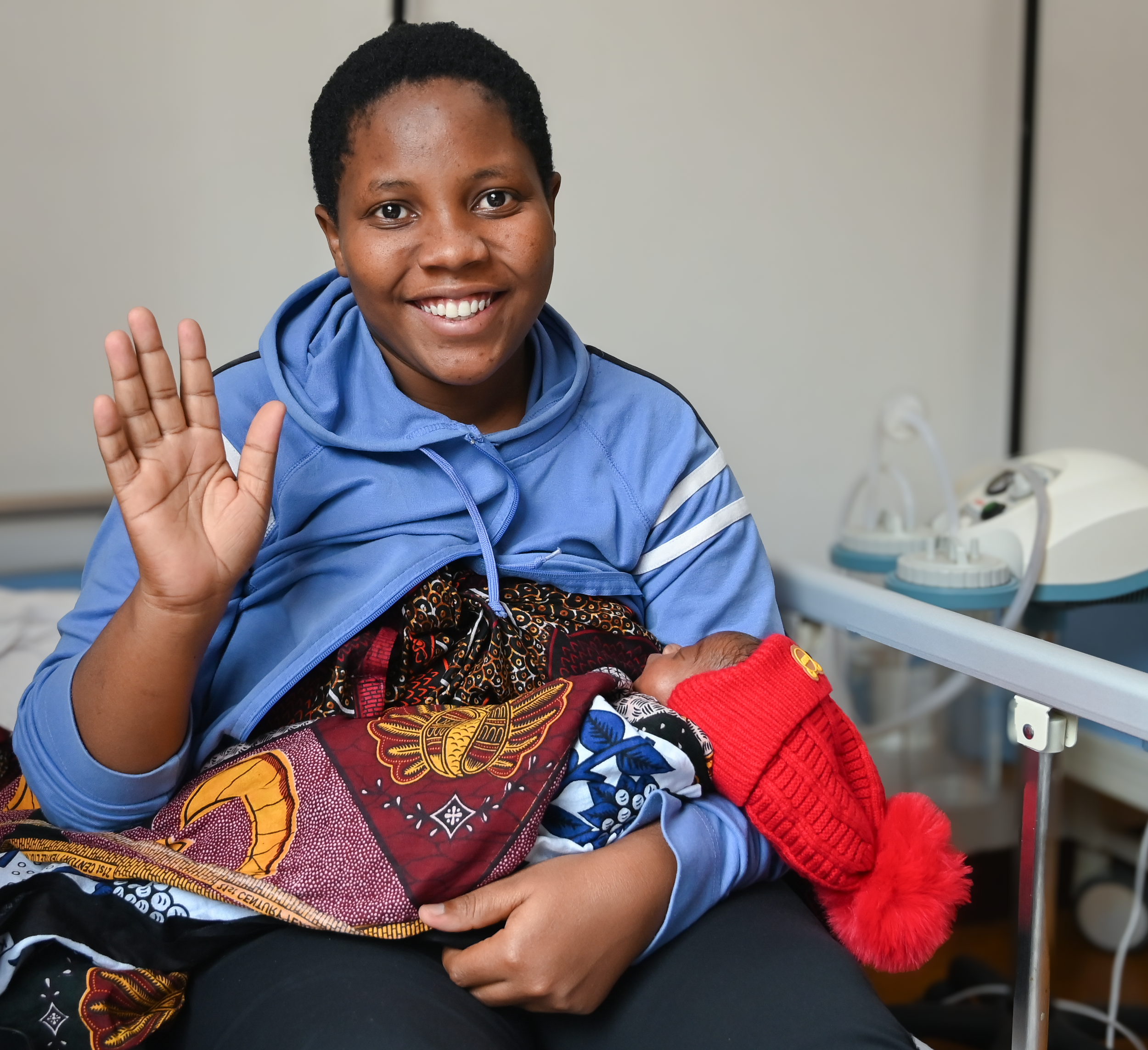
Joyce and her baby

When Joyce arrived at FAME, she was 30 weeks pregnant and facing life-threatening complications from severe preeclampsia. Living 16 miles away, she had come to the right place at the right time. After an urgent evaluation, FAME’s Dr. Msuya determined that an emergency c-section was the only way to save both her life and her baby’s.

Her son was born small and fragile, and severely underweight. The next month was spent in FAME’s Neonatal Intensive Care Unit (NICU), cared for by a team of nurses and doctors who monitored his every breath. He spent 10 days in an incubator under close supervision. After those critical days, Joyce and her son transitioned to Kangaroo Mother Care, where she held her son skin-to-skin around the clock, helping him grow stronger until he reached the weight needed for discharge. After 30 days in FAME’s care, he was finally ready to go home, weighing 1.5 kg.

"I appreciate the encouragement from my husband, who was understandably worried about our son, and the exceptional service that FAME provides,” Joyce shared. “While at the Maternity ward, I felt and experienced love, care, unity, peace and friendly interactions with the doctors and nurses, which made a lasting impact on me."

Joyce’s story is one of many. Every day, FAME’s Maternity Center and NICU provide lifesaving care for mothers and babies in northern Tanzania. With more than 1,000 deliveries each year, FAME is a place of health and hope for families like Joyce’s, where compassionate care helps turn moments of fear into stories of joy.

Dr. Msuya checks on the baby's ongoing progress during a routine round at FAME Maternity Ward.

FAME Africa
The Gift that Saves Lives

Fati

At FAME, every drop of donated blood carries a story of generosity and survival. Every transfusion is a powerful reminder that our existence is intertwined with the kindness of strangers and the selflessness of donors.

Since January, our team has collected 262 units of blood through hospital donations and community events. Each unit has played a role in saving lives, whether during surgery, after an accident or in the face of severe illness.

Just this week, Fati was admitted to FAME with acute anemia. She needed a transfusion, and thanks to our blood donors, she received the two units that she needed. Within days, her strength returned, and she was discharged to rejoin her family. “The care I received was exemplary, and the blood transfusion was administered promptly,” she shared with gratitude.

Behind the scenes, our Laboratory Manager, Anthony (pictured in white coat), and his team work tirelessly to ensure safe and reliable transfusions. “Donating blood is a safe procedure; there’s no evidence to suggest it poses risks to healthy donors,” Anthony explained. He is equally passionate about making sure patients never face financial barriers: “Blood is not for sale; it’s a gift of life, obtained through donation and dispensed with compassion.”

FAME remains steadfast in its commitment to ensuring that patients continue to receive the highest standard of care. Stories like Fati’s are only possible because of our donors. Each voluntary contribution strengthens a culture of care and solidarity in rural Tanzania, ensuring that when the next patient arrives in crisis, the blood they need will be waiting.

Anthony, FAME Laboratory Manager

Anthony, FAME Laboratory Manager, meticulously examining documented details of the safe blood prior to releasing it for transfusion to a patient.

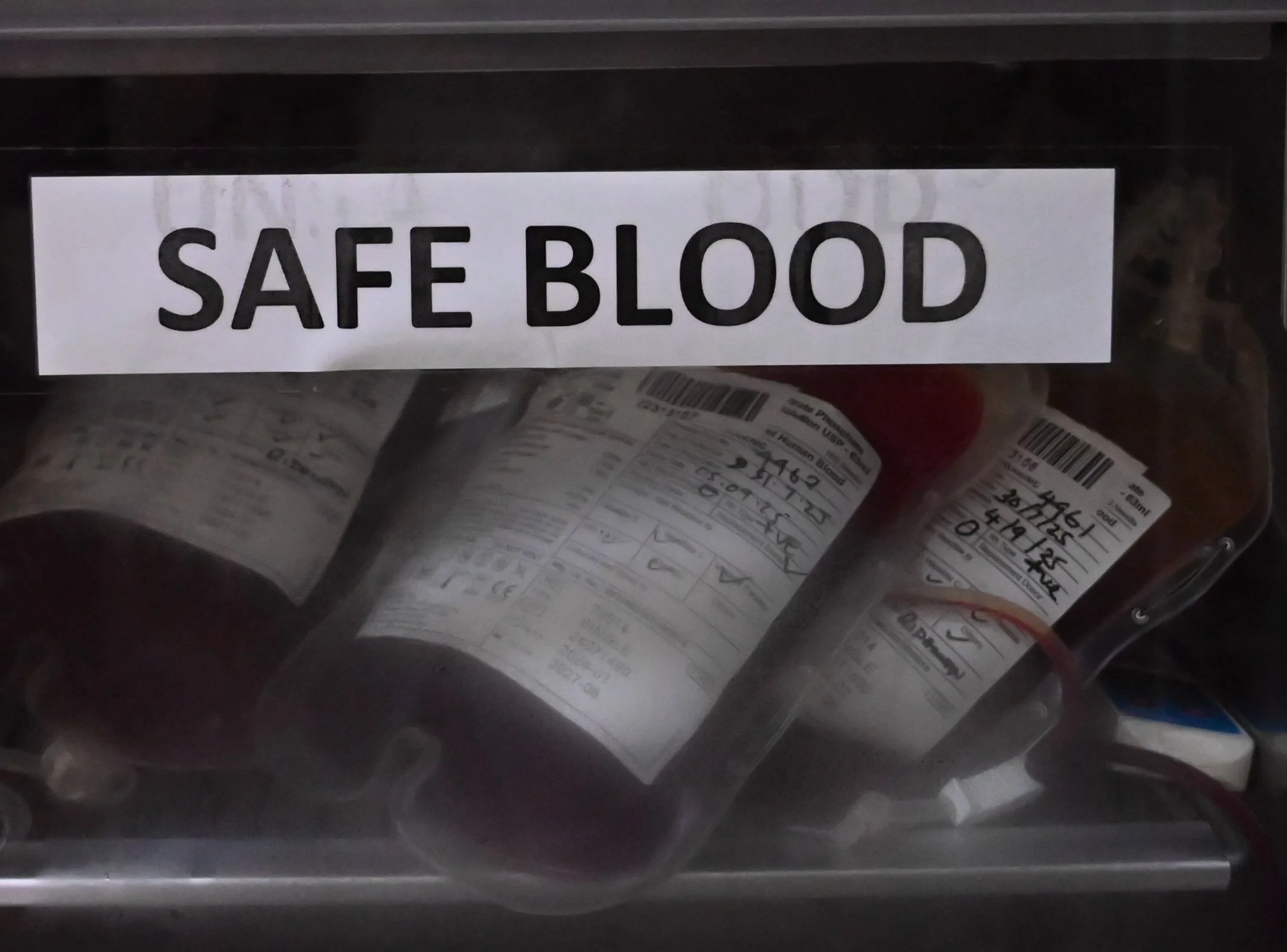
Safe Blood Stored at FAME’s Laboratory, Ready to be Transfused to Patients in Need.

FAME Africa
A Mother's Love, and Community's Care

.

A Mother's Love, and Community's Care

When Ifrahim’s mother gave birth to her son three months early, he weighed only 3.9 lbs. 

Within a few weeks, his weight dropped to just 2.8 lbs, and she feared for his health. But at FAME, she found more than medical care; she found a community of fellow mothers that stood beside her.

For three long months, her baby was lovingly cared for by our neonatal team—supported by oxygen, incubators and round-the-clock monitoring. Ifrahim’s mother never left his side. She held him through the incubator glass, whispered songs and words of encouragement and waited patiently for the moment she could carry him home in her arms.

Today, Ifrahim is thriving! His tiny frame now replaced by a joyful, energetic toddler weighing 20.2 lbs.

“Don’t be afraid if your baby is born early,” she says. “There are places like FAME that can help. Mothers are strong fighters. You don’t have to do this alone.”

Maternal and Pediatric Health at FAME: 2024 Highlights

FAME continues to strengthen pediatric and neonatal services with hands-on mentorship, targeted education and community outreach. In 2024, we welcomed Dr. Teddy to our pediatric team, bringing our total number of doctors on the team to five, and launched a weekly Pediatric Clinic Day to increase local access to child-focused care. Our neonatal services also expanded, adding three rooms and nine beds to create a “Zero Separation” environment, allowing premature infants to stay with their mothers to do Kangaroo Mother Care (KMC). NICU admissions rose to 247—up 31% from 2023—while maintaining great outcomes for our most fragile and vulnerable babies.


FAME Africa
Rekindling My Trust in Care at FAME Hospital

.

Rekindling Trust in Care at FAME Hospital

To respect the patient’s wish to remain anonymous, we have not included their picture in this story.

My first stop was a hospital in Moshi (140 miles from FAME), where I struggled through countless appointments. I paid high fees, yet the treatment didn’t help. Feeling discouraged, I gave up on seeking help. For weeks I stayed home until one day I mustered the courage to undergo more tests. As I sat in the waiting room listening to a health seminar on the radio, the speaker listed harsh side effects of treatment, such as mouth sores and hair loss. My heart pounded, and I felt God’s voice telling me to leave. So, I got up and went home, unsure of where to turn next.

A few days later I crossed paths with a stranger who found me in despair and handed me a slip of paper with a doctor’s phone number. “Call him,” they urged. “He might be able to help you.” Though skeptical, I dialed the number. When I finally met the doctor, he prescribed medication. From March of that year until the following June, a total of fourteen months, I took it. During that time, I experienced what I can only describe as divine intervention, as my leg—which had hurt endlessly—was healed.

Life took another unexpected turn when I was diagnosed with HIV. This time I began treatment at a hospital in Arusha (88 miles from FAME). The doctors there recommended that I get screened for cervical cancer, even though I was on HIV medication. I agreed and completed the tests. When the clinic called to say they’d seen signs of cervical cancer, I remained calm. I told the nurse, “I will come in at any time,” though inside I wasn’t so confident about whether it would be worth it.

Yesterday, as I tuned into FM radio, the announcer urged listeners with my condition to visit two hospitals. The suggestion hit me hard—I remembered the bills and empty promises I had experienced before, and I felt discouraged all over again. Then came the life changing moment when the announcer mentioned FAME, a place offering free cervical cancer screening.

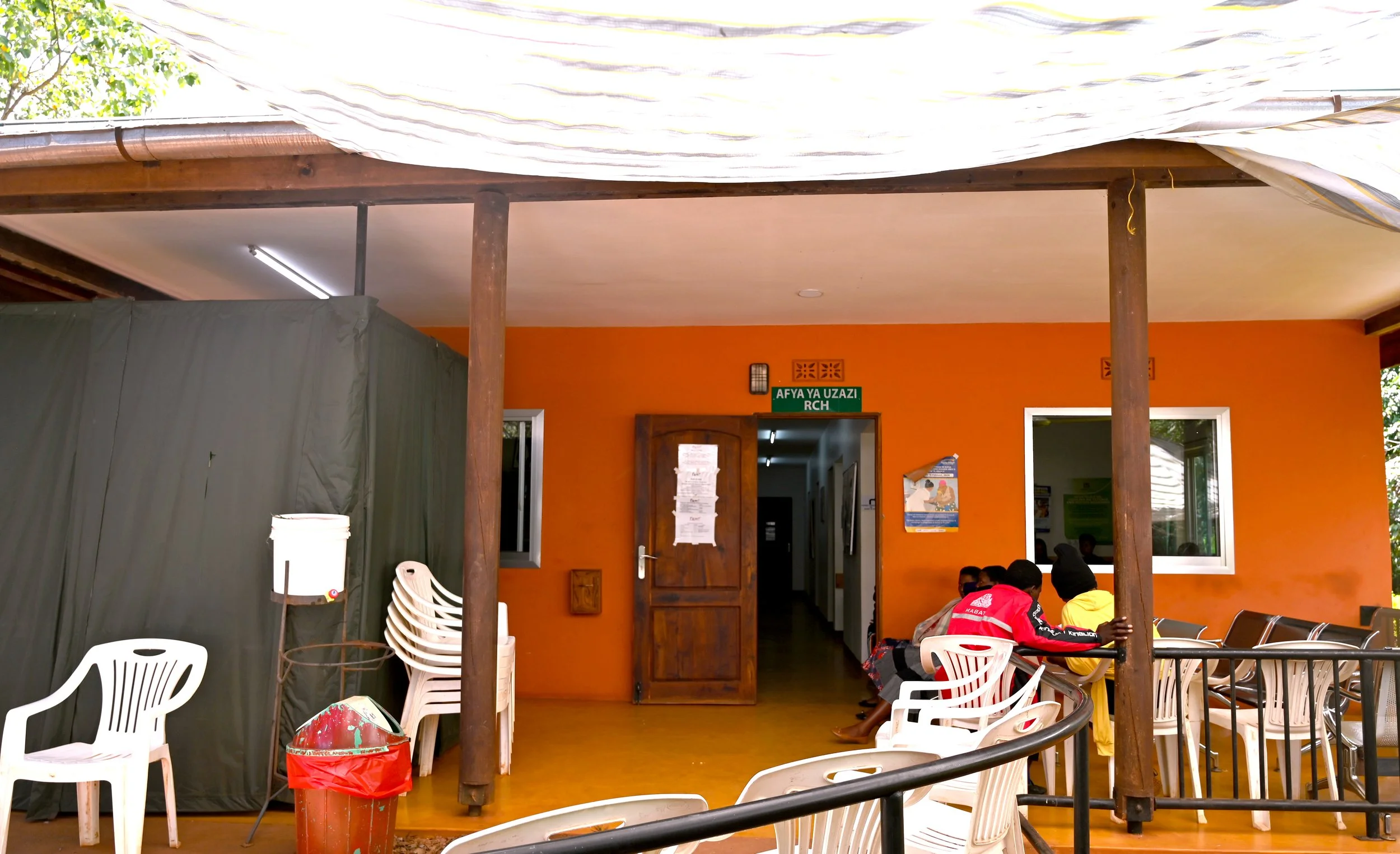
I had never heard of FAME before, but the idea of help without cost felt like a lifeline. Early this morning I boarded a bus bound for Karatu town. When I arrived, I asked a passerby for directions and took a motorcycle taxi to FAME Hospital. When I walked in, I was met with warm smiles and genuine concern—so different from my previous experiences.

At FAME, the testing process was very thorough, and that was when I knew I could trust this hospital. As I sit here, I can only be thankful that I found this place and got tested. I am looking forward to hearing the results from the cervical cancer screening, and I hope to continue receiving great care here.

FAME Africa
Stories from the FAME Neurology Clinic

Jane, neurology clinic patient.

“The pain started in my right shoulder, but now the right side of my head and my whole right arm hurt constantly.” - JanE, Neurology CLinic Patient


Laura, fourth-year neurology resident, University of Pennsylvania.

Adapting Care: Child Neurology in Rural Tanzania

I’m Laura, a fourth-year child neurology resident at the University of Pennsylvania. I’ve spent three amazing weeks volunteering with the FAME Neurology Clinic, and the experience has really opened my eyes to how medicine is practiced in rural Tanzania compared to the U.S. In America, many conditions can be managed quickly with ready access to emergency care. But here, every decision must consider a range of factors that affect the child and the family’s ability to receive care including long distances to hospitals, limited resources and the cost of treatment.


I remember treating a child with prolonged febrile seizures, a condition that would normally go untreated in the U.S., as the seizures often stop within five minutes and kids usually outgrow them. The patient we were seeing here had been experiencing seizures lasting up to 30 minutes, which was particularly concerning since seizures of this length can increase the likelihood of brain injury. Because the patient lived hours away from a hospital or an emergency care facility, we had to take a holistic approach in managing their health.


We sat down with the family and proposed two medication options. The conversation was not just about the best medication but we had to discuss potential side effects as well as cost and availability of the medication so that the family could choose the best option for their child and for them.


At FAME, these kinds of conversations are common. Care goes beyond diagnosis and prescription, it involves understanding the full picture, including a patient’s home environment, their access to transportation, financial situation, family support and even the traditions of their community.

Laura and a FAME clinical officer observe how a patient walks.

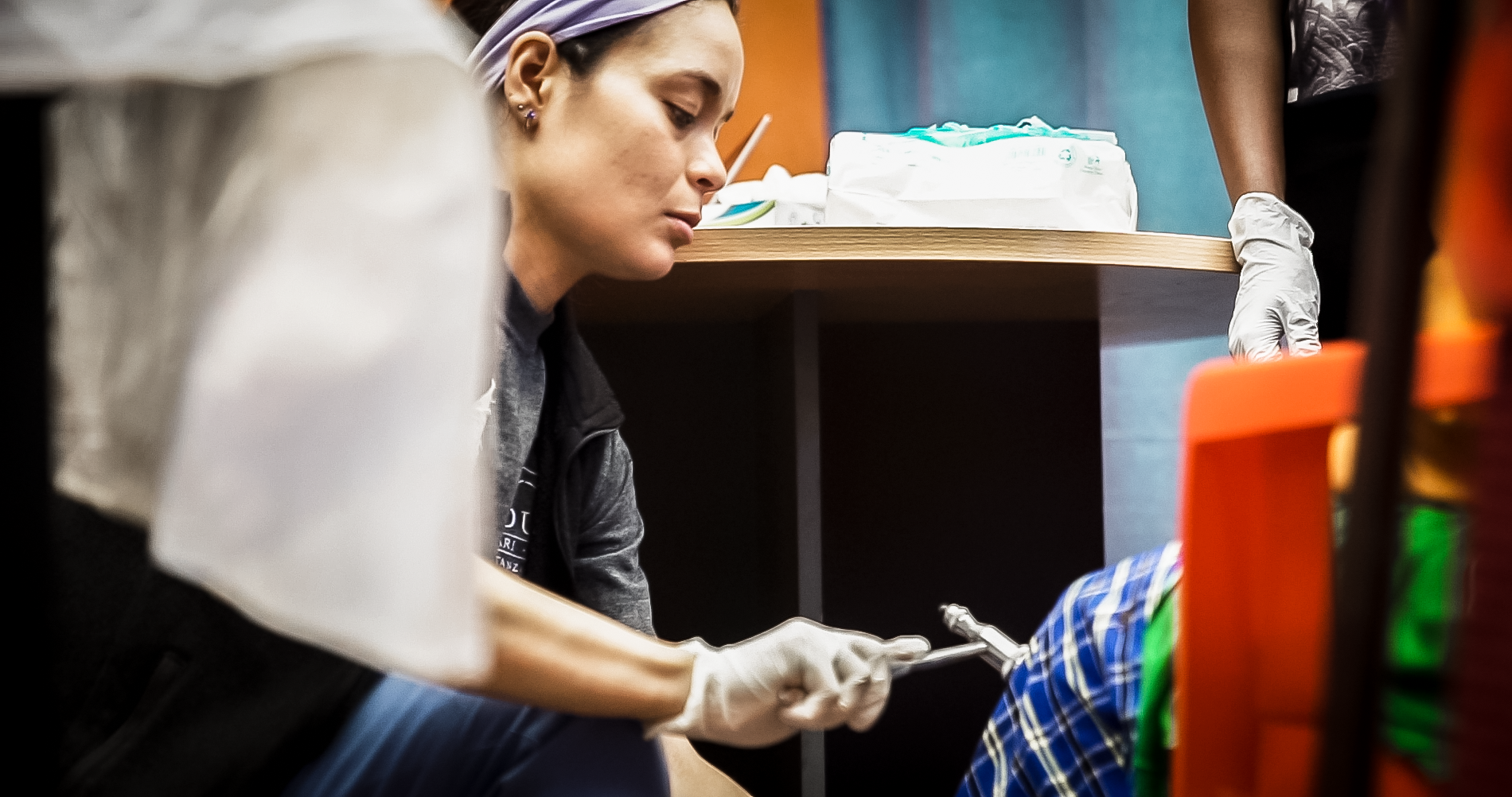
Laura tests the reflex of a patient.


Theandra seeing a patient at the clinic in Man’gola.

How a Life-Changing Surgery Brings New Hope

I'm Theandra Madu, a third-year neurology resident at the University of Pennsylvania, and my ultimate goal is to specialize in headache and facial pain.

Today, I had a case that truly excited me and reaffirmed why I chose this path. This morning, a patient arrived with a mix of troubling symptoms. She had been suffering for months from cognitive issues, gastrointestinal (GI) distress and an acute decline in her overall health. Initially, her complaints led to a focus on severe GI concerns; however, as we dug deeper, we discovered a very large lesion in her brain. This lesion appeared to be the main cause of her neurological deficits, including her recent blindness.

It was disheartening to learn that she had potentially been misdiagnosed early on when she first sought care elsewhere. But I felt a renewed sense of purpose seeing her condition up close. The good news is, she may be able to receive surgery at a referral center. If the surgery is successful, it could be life-changing for her, as it would not only alleviate the symptoms she’s been experiencing but also improve her overall quality of life.

This case reminded me again why I chose neurology. Every day in the clinic brings new insights and the opportunity to make a real difference in someone's life.


Yombe, third-year neurology resident, University of Pennsylvania.

Shining a Light on Epilepsy Management

As a Resident Neurologist, I’m very interested in epilepsy, and I’ve seen many cases during my time here at FAME. I remember one case in particular, a young girl who came with her mother from a village three hours away because they knew there were neurologists here. She had been living with epilepsy since she was 5 years old. Initially, her epilepsy was well managed with one medication, but by the time she came to FAME, she was 14 years old and on her fourth medication. We had a long discussion about the characteristics of her seizures to help us understand her condition better, but nothing quite fit the picture.

One key piece of data we needed was an EEG, which measures the electrical activity of the brain. About two years ago, FAME introduced EEG services, and for patients like this young girl who had never had an EEG before, it was a breakthrough. With that additional data, we were able to better characterize her epilepsy and get her onto a better medication. It was deeply fulfilling to see her have access to that level of care. –Yombe, Resident Neurologist, University of Pennsylvania


Dr Michael Rubenstein (right), Saidi, FAME Volunteer Coordinator (left).

Teaching Resource‑Aware Patient-Centered Care at FAME

I’m Michael Rubenstein, Professor of Clinical Neurology at the University of Pennsylvania, and over the past six weeks I’ve had the pleasure of guiding a group of residents through the FAME Neurology Clinic. For the last 15 years, most of our cases at the Clinic were headaches; but more recently we’ve started seeing many more epilepsy cases. This is because epilepsy is a lifelong condition requiring regular follow ups and medication renewals, which brings patients back year after year in need of thoughtful, sustainable care.

What truly resonated with my residents wasn’t the difference in diseases, it was learning to practice neurology in a setting where families cover the costs*, hospitals may be hours away and resources are limited. Back in the U.S., it’s easy to order “million dollar workups.” Here, each test must be justified by how it will change a patient’s treatment. I watched my team learn to ask, “Will this test benefit my patient enough to outweigh its expense and travel burden?”

Seeing them embrace that mindset, prioritizing patient-centered, resource-aware decisions, has been deeply rewarding. My hope is that they carry these lessons home, because medicine as it’s practiced at FAME—with its commitment to compassionate, impactful care—is how medicine should be practiced everywhere.

*NB: At FAME, all of our care is subsidized so that it is accessible to all patients. This means that patients pay on average 27% of the actual cost. This includes lab tests, CT scans, etc.

Dr Rubenstein reviewing cases presented by the neurology team.


A Note on Our Partnership

For over a decade, Dr. Michael Rubenstein has brought neurology residents and fellows from the University of Pennsylvania and Children’s Hospital of Philadelphia to FAME to expand access to specialized neurological care for the communities in Northern Tanzania who need it most. Over a six-week period (twice a year), Dr. Michael, the visiting neurology team and FAME clinicians provide consultations at FAME and reach patients through outreach visits to dispensaries in Mang’ola, Mbuga Nyekundu and Rift Valley Children’s Village—all within a 40-mile radius of FAME Hospital.

FAME Africa