World AIDS Day 2021

Today is World AIDS Day, and we at FAME are joining the global movement to highlight the challenges around access to HIV services and treatment, through our commitment to stopping new cases of HIV.

The Joint United Nations Programme on HIV/AIDS (UNAIDS) estimates that as of 2020, there were 37.7 million people globally living with HIV. In sub-Saharan Africa, women and girls alone account for 63% of all new HIV infections.

While HIV testing has become more accessible around the world, there has been unequal progress in reducing new HIV infections, increasing access to treatment, and ending AIDS-related deaths, with too many vulnerable populations being left behind.

In Tanzania where we work, there are 1.7 million people living with HIV. As part of World AIDS Day, we are highlighting FAME’s Reproductive and Child Health Clinic (RCH), which is working hard to ensure access to HIV prevention services for mothers and their newborns in rural Tanzania.

In 2015, RCH identified a need to create a prevention of Mother-to-Child Transmission (MTCT) program. The program, which follows the protocols from the Tanzanian government, aims to prevent pediatric HIV/AIDS and improve the health of both mothers and their children, by providing HIV testing, treatment and care continuum.

FAME’s RCH currently provides 815 women with prenatal healthcare, and performs HIV tests for every pregnant woman who comes to the clinic. Pregnant women who are HIV positive receive antiretroviral therapy (ARV) and are carefully monitored throughout the remainder of their pregnancy, delivery and postnatal period. HIV medicines, when taken as prescribed, prevent HIV from multiplying and reduce the amount of HIV viral load in the body, greatly reducing the risk of parent to child transmission. Maintaining an undetectable viral load also helps keep the mother-to-be healthy. FAME’s RCH-MTCT program has successfully prevented the transmission of HIV from mother to child in more than 90% of cases where a mother is HIV positive.

In cases where a baby is born HIV positive, they are treated with ARVs up to the age of one and a half years. After this, any child who tests positive for HIV is referred to a government-operated HIV Care and Treatment Centre (CTC) for management of HIV/AIDS, while continuing to receive general healthcare from FAME’s RCH. 

FAME’s Head of RCH, Joyce Ngowi, explains that in the beginning of the MTCT program, the women were not always receptive to the education and interventions provided, but with continued education and counseling, they are now much more responsive to advice and engage in the discussions.

FAME’s RCH is also involved in outreach programs and mobile clinics in rural villages, with the aim of educating the Traditional Birth Attendants (TBAs) on HIV transmission and prevention, especially during childbirth. Some TBA’s perform deliveries with bare hands or plastic bags, leaving them exposed to possible HIV transmission.

“At first they were resistant to this message as there's a lot of respect that comes from being a TBA in the community, not to mention the livestock they’re awarded by the families after a successful delivery. However, after consistent education and counseling they have become more receptive and eager to learn.”

- Head of RCH, Joyce Ngowi 

RHC believes that investment in health and HIV/AIDS literacy accelerates ending global inequalities and is a crucial step towards eliminating HIV/AIDS.

Head of RCH, Joyce Ngowi, poses with RCH Nurse, Kitangile Masheyo, infront of the Afya ya Uzazi (Reproductive health) RCH clinic.

We tell them that HIV is no longer a death sentence. HIV testing is important as once you’re aware of your status, and take ARVs as prescribed, you can live a long healthy life with no risk of sexually transmitting HIV to partners, or transmitting the virus from mother to child during pregnancy”

-Joyce Ngowi

FAME Africa
Happy Thanksgiving from FAME!

Sleepy Peter and his mother at FAME

When 4 year old Peter* and his mother woke up on Tuesday morning, it was business as usual. The family had breakfast together, and after, everyone got in the car; Peter’s father to go to work and Peter and his mother to be dropped off first at the local market.

Sadly, it was not the same as every other day. On the way to the market, his father tried overtaking a car and his brakes failed. This led to a head-on collision with an incoming tractor. Peter, who was seated in the front seat on his mother’s lap, was severely injured. His parents escaped with minor injuries. 

Peter was rushed to the nearest local dispensary, and after an hour of waiting, his condition had rapidly deteriorated. They decided to bring him to FAME with the help of their neighbor who owns a car. They drove almost two hours to get to FAME, with remnants of hope dwindling fast. 

Peter arrived at FAME with severe stomach injury, vomiting, loss of consciousness, coupled with bleeding from the ears, nose and mouth. He was in a grave situation. 

He was rushed to FAME’s emergency room, where they diagnosed him with a gastric perforation. He needed surgery immediately. 

He was handed over to FAME’s surgical team and the operation was a success!

After 17 days at FAME, Peter was healthy and ready to go home to be reunited with his brother. “He misses playing with him,” his mother explained. She was ecstatic that her son was well and healthy. She promised to tell her relatives and friends about her experience at FAME, and urge them to visit not only for minor illnesses but also for life threatening ones.

“I am very thankful to FAME for all their help. I was sure my child was going to die. When the doctors told me that Peter needed surgery, I cried very hard. I couldn't make a decision. The doctors and nurses were very kind, they spoke to my husband who was strong enough to say yes to the operation. FAME has saved his life. I will also say that the social worker has advised me about making sure that Peter and his older brother always wear a seatbelt in the car. I did not know how dangerous it could be if they didn't. From the bottom of my heart, thank you FAME.”


This Thanksgiving, we at FAME are thankful for success stories such as Peter’s, and we are grateful to our friends and supporters whose generosity and constant support are the reason we are able to provide quality medical care and emergency response in rural Tanzania. Despite the challenges facing the world today, your support has been unwavering. 

Thanks for always being with us.

Happy Thanksgiving from our FAME Family to Yours!

*While the patient’s name has been changed to protect privacy, permission was secured to share their photo and story with FAME supporters, and to raise awareness of available medical care at FAME Medical.


FAME Africa
World Diabetes Day 2021

Today is World Diabetes Day. A day to raise awareness of the challenges surrounding access to diabetes care. Today presents an opportunity to highlight the urgent need for increased access to diabetes diagnosis and treatment.

2021 marks the 100th anniversary of the discovery of insulin. However, for marginalized communities such as those in rural Tanzania, many people with Type 1 diabetes struggle to access insulin as well as the necessary basic treatment technologies such as blood glucose meters and test strips. Diabetics who get a diagnosis are not guaranteed access to regular screening for complications or given education around diabetes to enable them to manage the disease. 

The number of undiagnosed diabetics is higher than those diagnosed in marginalized areas, and the World Health Organization (WHO) recognizes the rapidly rising rate of diabetes in low and middle income countries. Left undiagnosed, diabetes is a major cause of blindness, kidney failure, heart attacks, stroke and lower limb amputation.

Here, we highlight the story of Lemaiyan*, a Maasai man who has recently been diagnosed with Type 1 diabetes at FAME.

“I didn't know anything about diabetes before my diagnosis. I was shocked and scared when the doctor told me. However, the doctors and nurses have educated me about diabetes and shown me how to use insulin. They have also shown me how to store the insulin since I don't have a fridge back home. I’m very grateful to FAME for the good care I have received.”

-Lemaiyan*

When Lemaiyan* turned 21 years old, he was too sick to celebrate. He was experiencing severe abdominal pain, nausea and vomiting. He also noticed that for the last three months he had lost excessive amounts of weight, 27lbs to be exact. He was also experiencing excessive thirst and frequent urination.  

After numerous trips to the local dispensary, Lemaiyan* decided to make the long trip to FAME  to seek treatment, as he was not getting any better. Accompanied by his parents, he started the long journey from his small village in Ngorongoro, covering over 60 miles.

At FAME, he was diagnosed with Type 1 diabetes and immediately put on insulin. He spent two nights in FAME.

Insulin prices are high in Tanzania, however FAME provides insulin free of charge to patients who cannot afford it. Together with our team of social workers, we review each case individually to ascertain the level of help and support needed. 

FAME joins the rest of the world, today and every day, in fighting for access to diabetes care for those in need.

*While the patient’s name has been changed to protect privacy, permission was secured to share his photos and story with FAME supporters, and to raise awareness of available medical care at FAME Medical.


FAME Africa
Promoting Patient-Centered Care

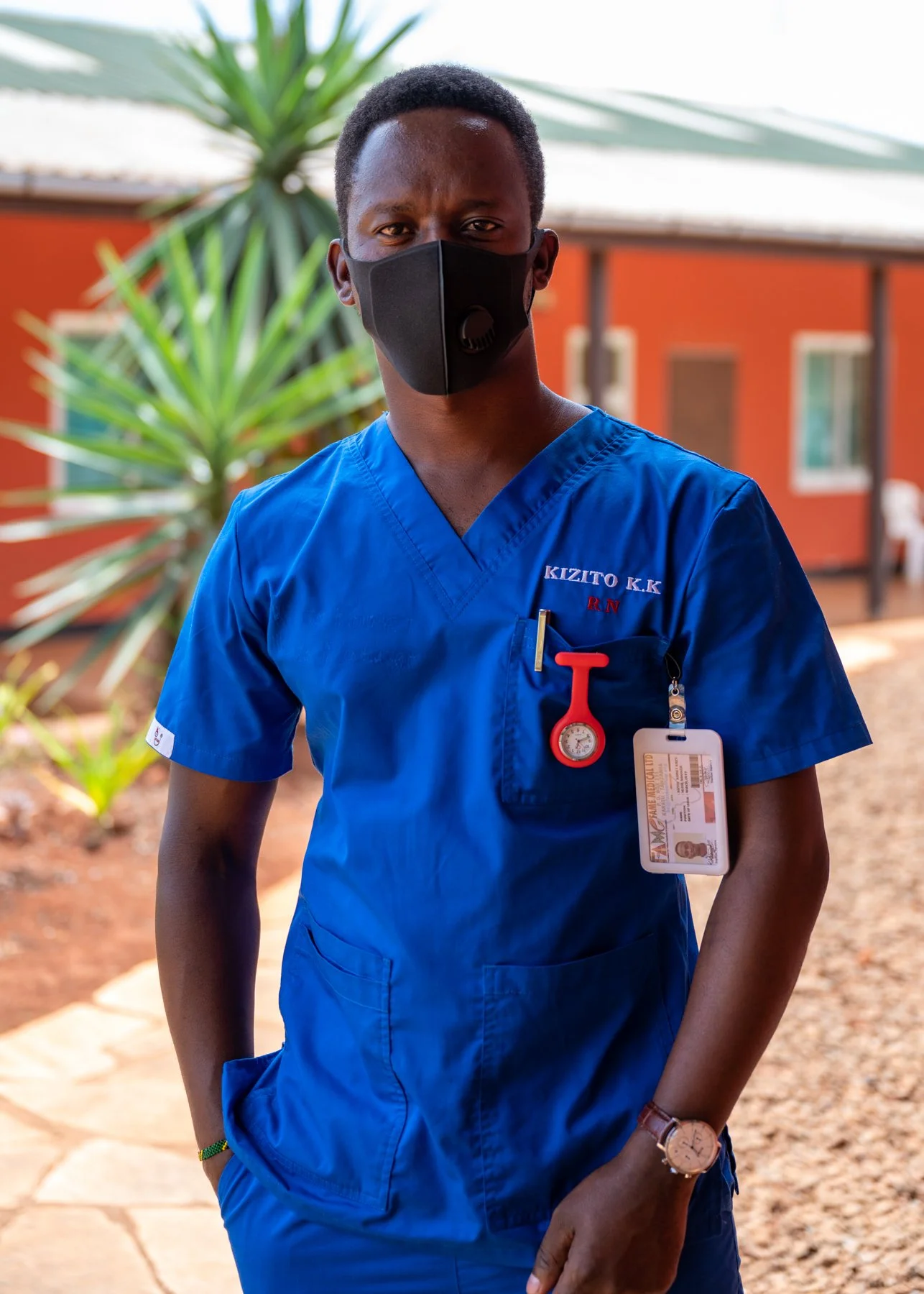
We often tell stories of our patients with happy endings. Today we highlight the remarkable success that FAME’s own Head Nurse, Kizito Koinet Kileu, achieved in the just concluded Scientific Conference and Annual General Meeting held in Mbeya, in south western Tanzania. 

The conference, "Nurses, A Voice to Lead - A vision for future healthcare," was hosted by the Tanzania National Nurses Association (TANNA) and was attended by over 1,200 healthcare professionals from Africa, the United States of America, and the United Kingdom. 

Kizito gave an inspiring presentation on Customer care satisfaction in the health industry, Principles of customer care that made such a strong impression, it was recognized as the most powerful presentation of the conference.

Kizito graduated from nursing school in 2016 and shortly after moved to Zambia to work for a HIV project led by the Southern African Development Community (SADC). The project focused on implementation of testing centers, community outreach work and education, leaving Nurse Kizito missing patient interaction terribly. He joined FAME in April 2019, and has been an instrumental part in making FAME a success, not only to the staff that work here, but to all the patients around Northern Tanzania who travel far and wide to seek medical care at FAME.

Kizito is familiar with customer care satisfaction in the health industry given FAME’s mission of advancing patient centered and quality medical care in Northern Tanzania. 

A few months ago, Kizito conducted customer care training for FAME’s medical and non-medical staff. His preparations for this were incredible learning opportunities: he listened to patients, relatives and colleagues – to find out precisely how to best collaborate, share decision making and come up with a comprehensive care plan in order to achieve a patient’s specific health needs and desired health outcomes. 

When it came time to present at the Scientific Conference and Annual General Meeting, he stood confidently at the podium and shared his own experiences to a room full of nurses at the conference centre in Mbeya. We can now proudly share that his experience and advice has reached healthcare personnel from all corners of Tanzania and beyond.

Other topics presented at the scientific conference included maternal deaths, nursing innovation, autism spectrum disorder, and post-operative wound care in surgical wards. All crucial to ensure better results when dealing with patients with a wide variety of needs.

Nurse Kizito promises to use the knowledge acquired in the conference to inspire his nursing team and other FAME health professionals. 

We at FAME are very proud of Kizito!

You can see a video of Kizito explaining what inspired him to be a nurse below.

“The conference was wonderful; I would have felt very sad if I had missed it. It was awesome as I met other healthcare providers from not only Tanzania hospitals but also colleagues from Botswana, Uganda, Kenya, and South Africa. It was inspiring to discuss nursing-related issues with them.”

-Head Nurse, Kizito Koinet Kileu


FAME Africa
When Preparedness Saves Lives
The moment my child was sick….I was thinking he could die at any time….I was just happy from the moment I was received here. I didn’t know the treatment he was receiving, but I am happy that nurses and other people were coming and seeing my child, and day after day I saw him improving.
— Issaya’s Mother on the care she received at FAME Medical (translated from an interview conducted in KiMaasai)

I will never forget the tiny blue and yellow striped sock lying at the end of the bed as the FAME ER team rallied around a very young child who was obviously in crisis. Attached to a small white oxygen tank, a nurse from another medical facility had just carried the patient in after supporting him throughout an emergency transport from Mto wa Mbu to Karatu.  With his small chest already retracting, nine month old Issaya was audibly wheezing and visibly in distress.

In the throes of what the ER team would immediately recognize as acute bronchiolitis and probable pneumonia, they worked quickly and seamlessly to save this precious life. I’ve always watched in awe when skilled doctors and nurses respond to emergency situations — the intense focus, the seemingly unflappable demeanor, the decisive action — each provider stepping into their role yet working in harmony, with singular purpose. These are the things I observed in this situation too — as they nebulized this little one who was struggling to breathe. Without missing a beat, the team inserted a bronco dilator into his trachea, dilating his lungs and clearing his airway. Issaya was terribly dehydrated, and so they inserted an IV into a vein in his scalp to replenish his depleted little body. Within 1/2 hour he was breathing easier. Within an hour, he was breathing well enough to breastfeed in his mother’s arms.

It is hard to believe how quickly a life, especially a child’s life, can be snatched away in the absence of emergency medical care AND how just as quickly a life can be reclaimed in the presence of healthcare providers equipped to respond in a crisis.  Once the little patient was stable enough to be moved, Dr. Mwaluko began the process of admitting Issaya to our general inpatient ward. Still fragile and in need of close observation, ward nurses attended to his oxygen and inhaler needs and labs were drawn to further inform treatment. Ultimately, the preliminary diagnosed was confirmed — acute bronchiolitis/pneumonia, along with anemia. Antibiotics and iron were added to his treatment regime. Over the next two days, FAME nurses would keep a close eye on Issaya’s progress and provide support and encouragement to his worried mother. Finally, he was well enough to return home in the arms of a very grateful mother.

Note: We would learn over the course of Issaya’s stay that the family had traveled from their home village to Babati, roughly 100 miles away, where they boarded a bus bound for Mto wa Mbu. It was there that a Health Center started treatment but ultimately recognized that he needed a higher level of care. They made a referral to us, transporting Issaya another 18 miles up over a winding escarpment to FAME Medical in Karatu. This is the gap FAME is here to fill and the kind of collaboration between health facilities that we aim to cultivate.

*While the patient’s name has been changed to protect privacy, permission was secured to share his photos and story with FAME supporters, and to raise awareness of available medical care at FAME Medical.

FAME Africa