A Family Restored Through Care

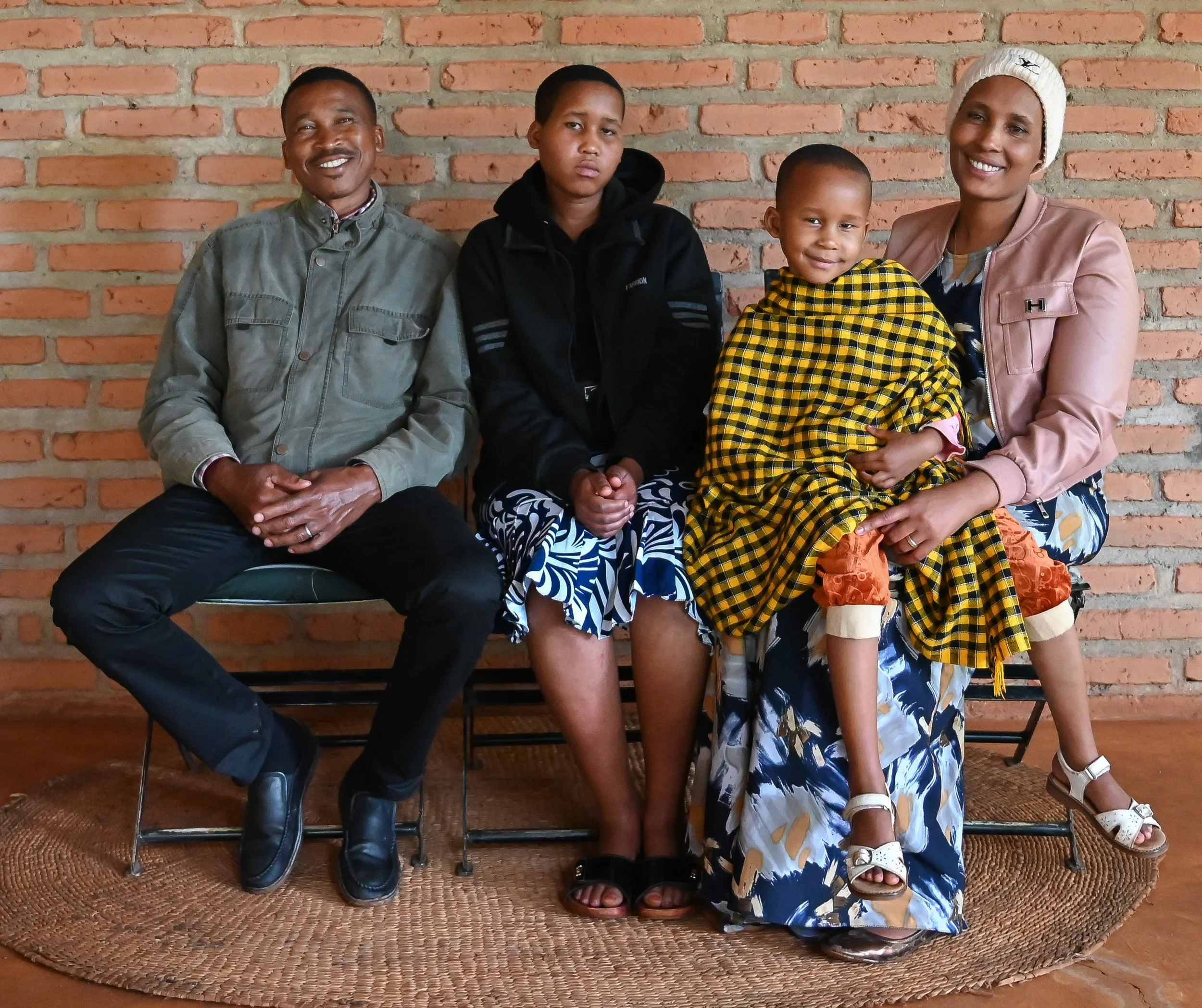
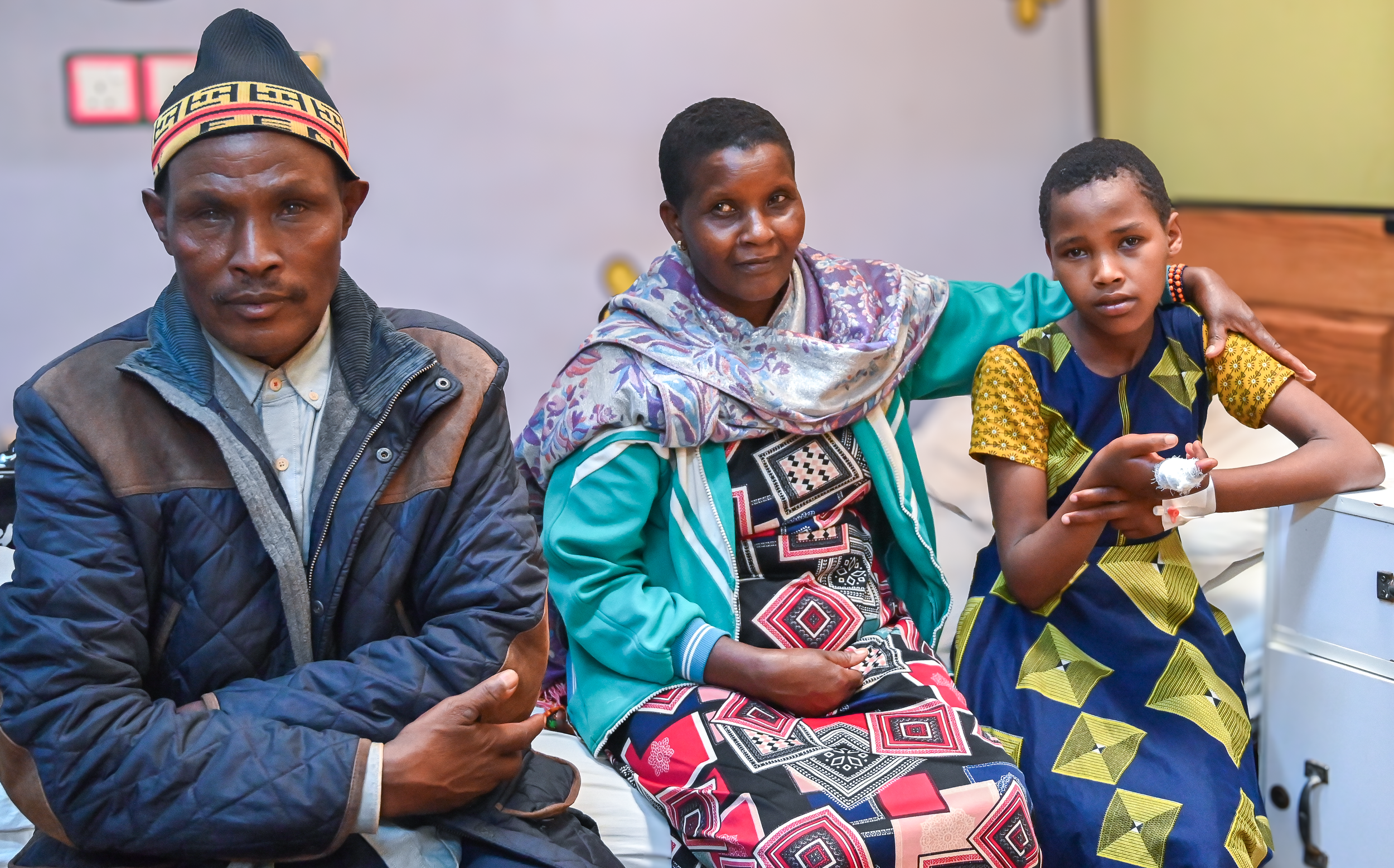
“It’s been years. Since the day I first came to FAME, I have never gone anywhere else for treatment,” said Eric. “I arrived with a serious high blood sugar problem and was admitted. After I recovered, I began taking daily medication and return to FAME for routine check-ups.”

Not long ago, Eric faced a far more urgent crisis. His wife, Magdalena, was struck by one of their own cattle as the herd fled from a wildlife disturbance during grazing. A cow horn hit the left side of her upper body, and she lost consciousness.

Neighbors rushed her to a nearby health facility. When Eric arrived, he made the decision to transfer her to FAME, knowing she needed more advanced care.

She was transported hundreds of miles from her home in Ngorongoro Crater by ambulance with oxygen support.

At FAME, examinations revealed a serious injury to her left lung. The team acted quickly, providing injections, medication and supportive bandaging. In those critical early moments, timely care made all the difference.

Over the following days, Magdalena improved steadily. When she was discharged, she returned home with the medication and support she needed to continue healing.

Today, she is back at FAME for a follow-up. She is once again able to care for her family, manage daily chores and contribute to their household livelihood.

Because care was available when it mattered most, a family was kept whole. Your support for FAME Marathon 2026 to strengthen trauma and emergency care by clicking here ensures that families like Eric and Magdalena’s can access life-saving care when every second counts.
FAME Africa
Another Chance at Life: Surviving a Wildebeest Attack

Could the life of a young boy depend simply on where he lives?

At FAME, we believe no one should lose access to lifesaving care because they live far from a city or alongside wildlife habitats. That is why support for the Trauma and Emergency Care Marathon is so critical.

Mosses, age 15, lives with his family in the Ngorongoro Crater, where communities share the land with abundant wildlife. One afternoon, while herding cattle with two friends, four wildebeest suddenly charged toward them.

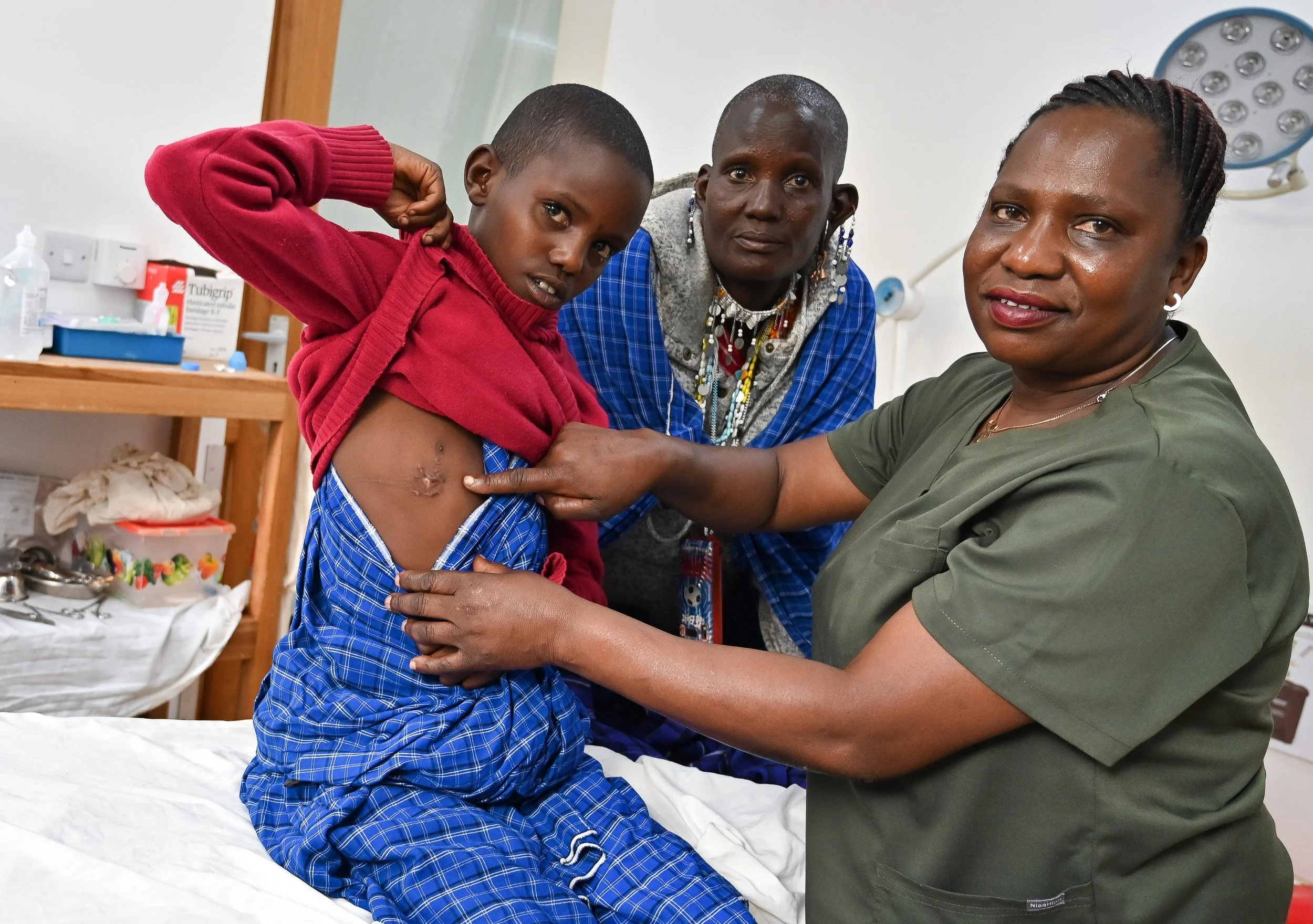
In the chaos, Mosses fell — and a wildebeest hoof struck the right side of his chest.

His friends ran for help as neighbors rushed him to the nearest clinic. But his injuries were far too severe. He was struggling to breathe, with suspected internal bleeding, broken ribs and rapidly declining stability. He was urgently referred to FAME.

By the time he arrived around 7 p.m., the team knew every minute mattered. Mosses was taken directly into surgery, where FAME’s emergency and surgical teams spent hours fighting to save his life.

At 1 a.m., he was brought out of the operating room unconscious. Three hours later, he opened his eyes and quietly asked his mother where he was. “You are in the hospital,” she told him.

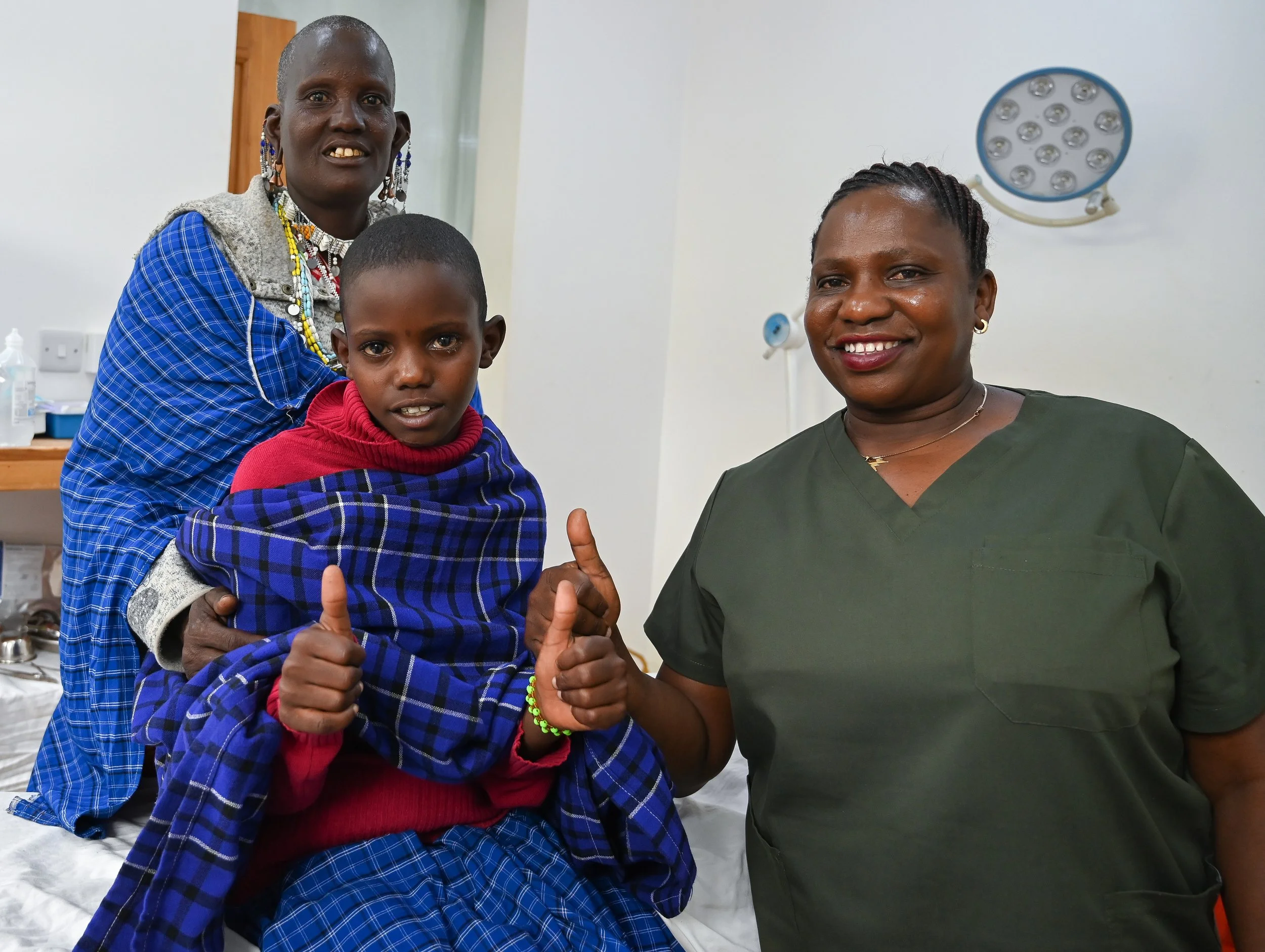
Recovery was slow. For days, he struggled to breathe and regain his strength. But little by little, he improved. After one week and four days in the hospital, Mosses walked out of FAME.

Weeks later, he returned to FAME to remove his stitches — fully recovered, back helping his family, playing football with friends and dreaming of becoming a hunter one day.

His mother later reflected on those terrifying hours and said, “When I arrived, his condition was very bad. But if he did not die on the operating table, he will not die now.”

This is the difference trauma and emergency care makes.

Because of supporters like you, a boy who nearly died in one of the most remote parts of Tanzania was given a second chance at life. Support FAME Marathon and help save more lives by ensuring continued access to trauma and emergency care services by clicking here.

FAME Africa
Beyond What Eyes Can See

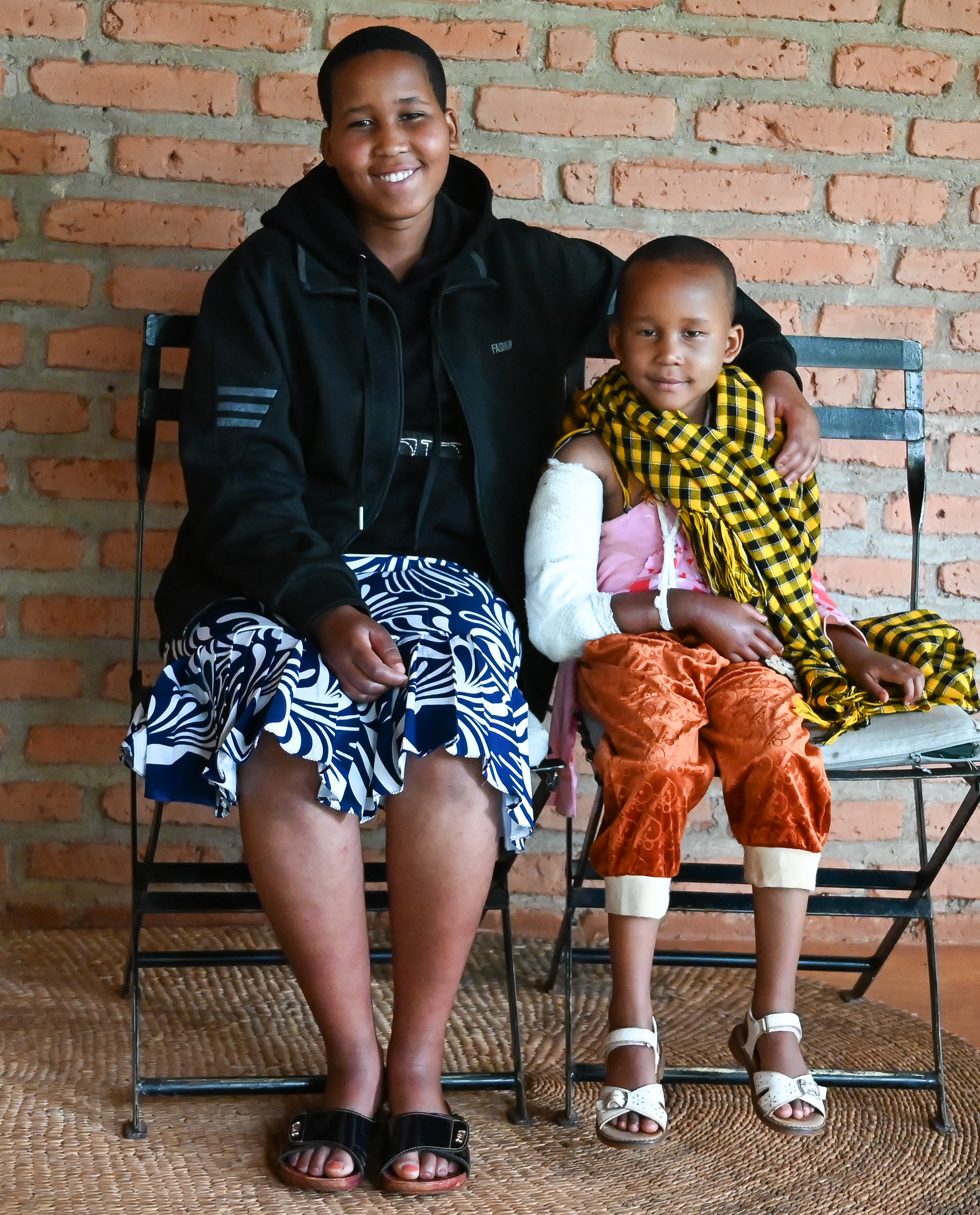
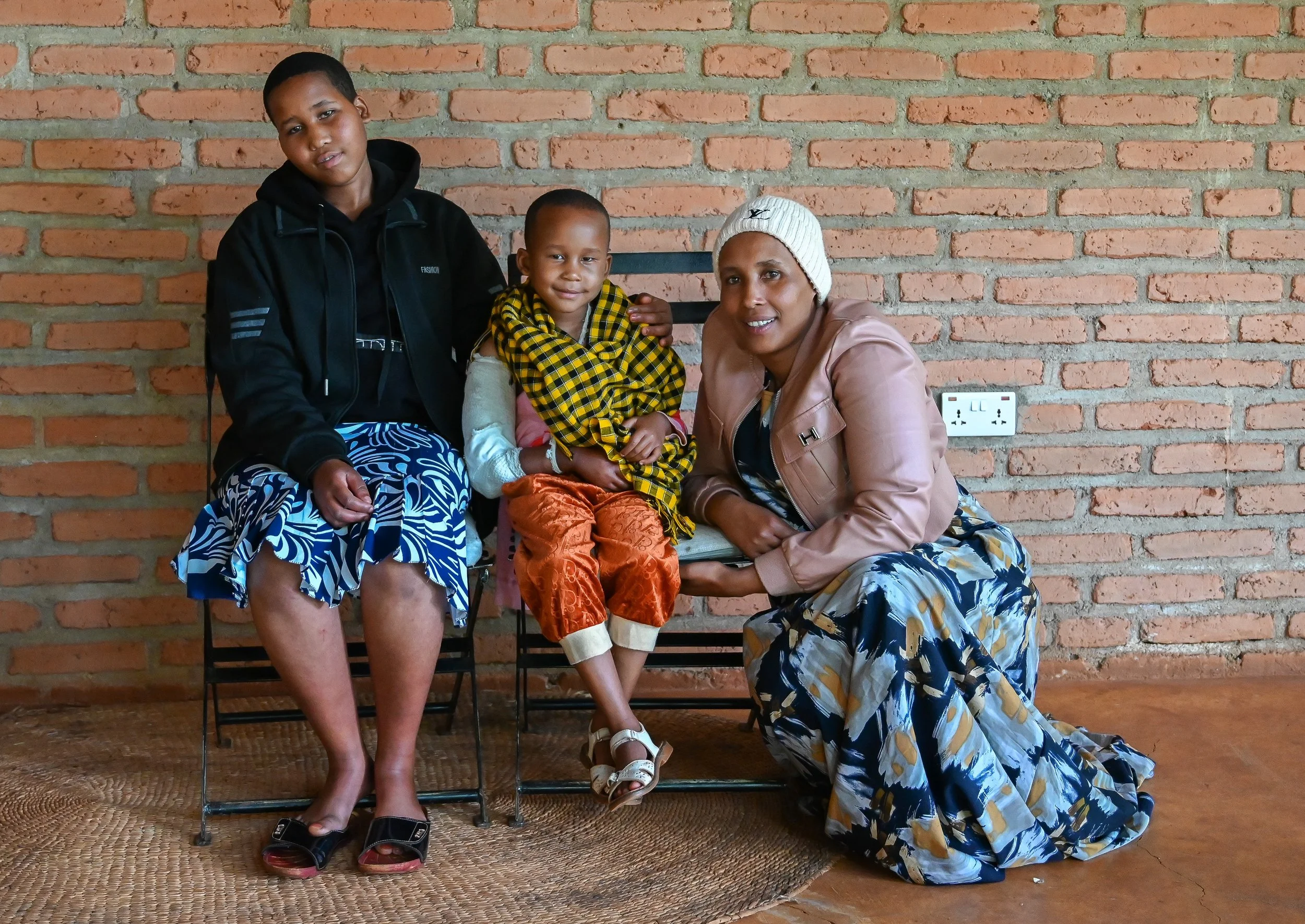
On a quiet Sunday, with light rain falling along the roadside, Neema and her younger sister were traveling home after visiting their grandmother during school holiday break. The girls were riding in a crowded public transport van when a loud bang shattered the calm. The vehicle swerved off the road and rolled over, throwing passengers against seats and windows as glass shattered around them. When the vehicle finally came to a stop, injured passengers cried out for help. Neema’s younger sister sat in pain with a broken arm, while Neema lay unconscious beside her.

The injured passengers were first taken to a small nearby clinic, where staff provided immediate care. But when Neema’s parents arrived and saw that she was still unconscious, they knew she needed more advanced treatment. “We’re going to FAME,” her father said. They had heard of the hospital in Karatu, and knew it as the only place for miles with the power to see beneath the skin.

When they arrived at FAME, Neema had regained consciousness but was experiencing a severe headache and signs of head trauma. Her parents feared the invisible: internal injuries, bleeding or damage that might only become apparent when it was too late.

At FAME, the team was able to respond quickly. Using FAME’s CT scanner — one of only a few available in the entire region — doctors examined both girls for hidden injuries that could not be detected through physical examination alone.

Relief broke like dawn. Neema’s CT was clear of major trauma: no bleed, only a concussion, but doctors also detected a minor injury that required medication and close follow-up. Without access to imaging and continued monitoring, the minor injury condition could have gone unnoticed for a while but would eventually have led to serious long-term complications, including paralysis.

Her younger sister’s arm was treated and splinted, and doctors were able to confirm there were no additional internal injuries. Both girls remained under observation overnight as the team managed pain, monitored their recovery and ensured no new complications emerged. By the next morning, Neema was awake, talking and asking for porridge.

What began as a devastating roadside accident ended with two sisters safely returning home because they had access to timely emergency care, diagnostic imaging, and a hospital equipped to provide answers when every moment mattered.

For families in rural Tanzania, access to emergency and trauma care can mean the difference between uncertainty and answers, between delayed treatment and timely intervention.  FAME’s emergency medicine team, diagnostic imaging services and trauma care capacity are the difference between “we hope they’re okay” and “we know they’re okay.”

Your donation strengthens this lifeline. It keeps the machines running, the staff ready and the doors open so that patients like Neema and her sister receive the care they need when every minute matters.

Donate today to support the FAME Marathon and improve access to trauma and emergency care in Tanzania by clicking here.

FAME Africa
Footling: A Tale of Courage and Expertise for the Twins

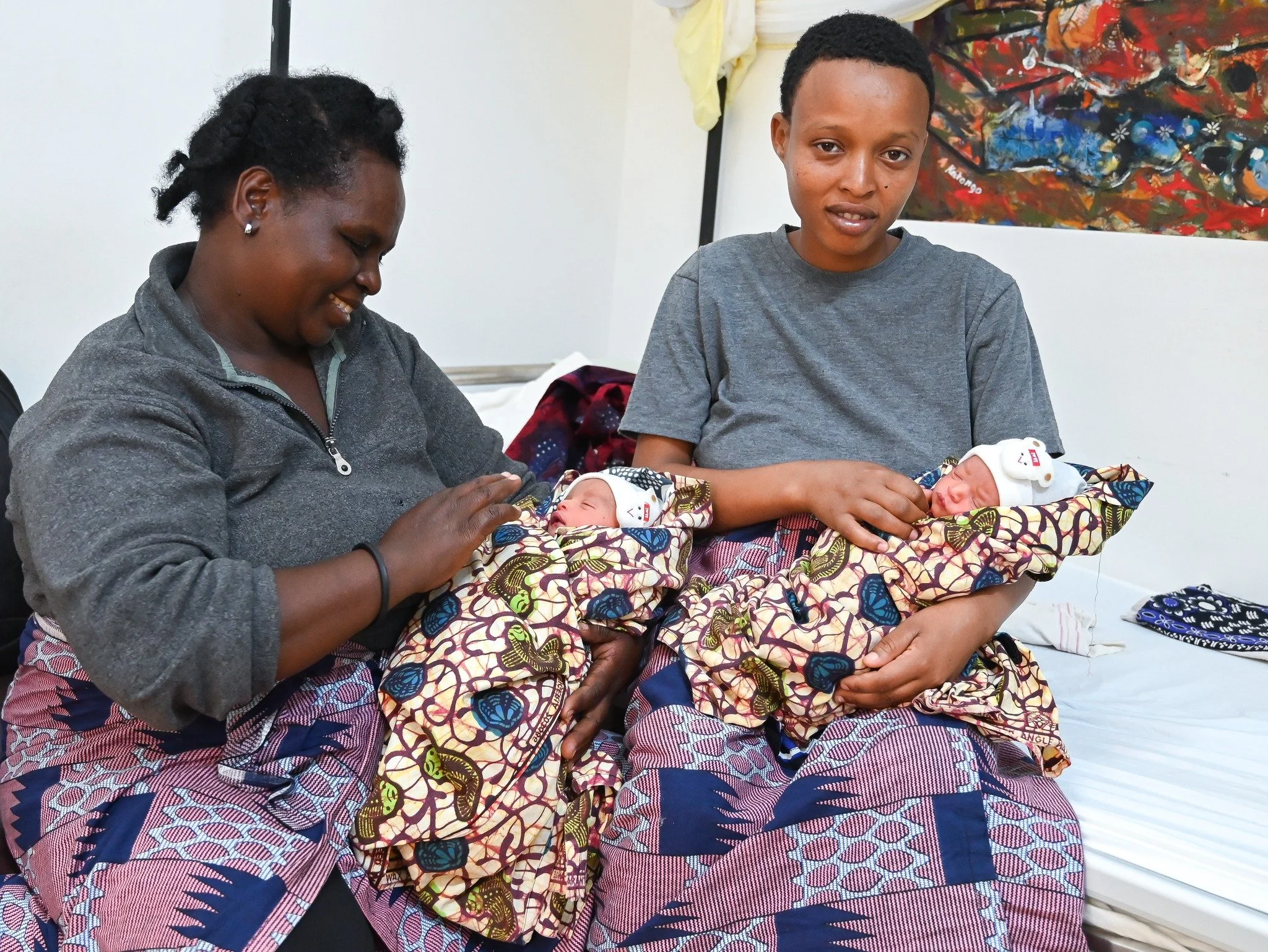
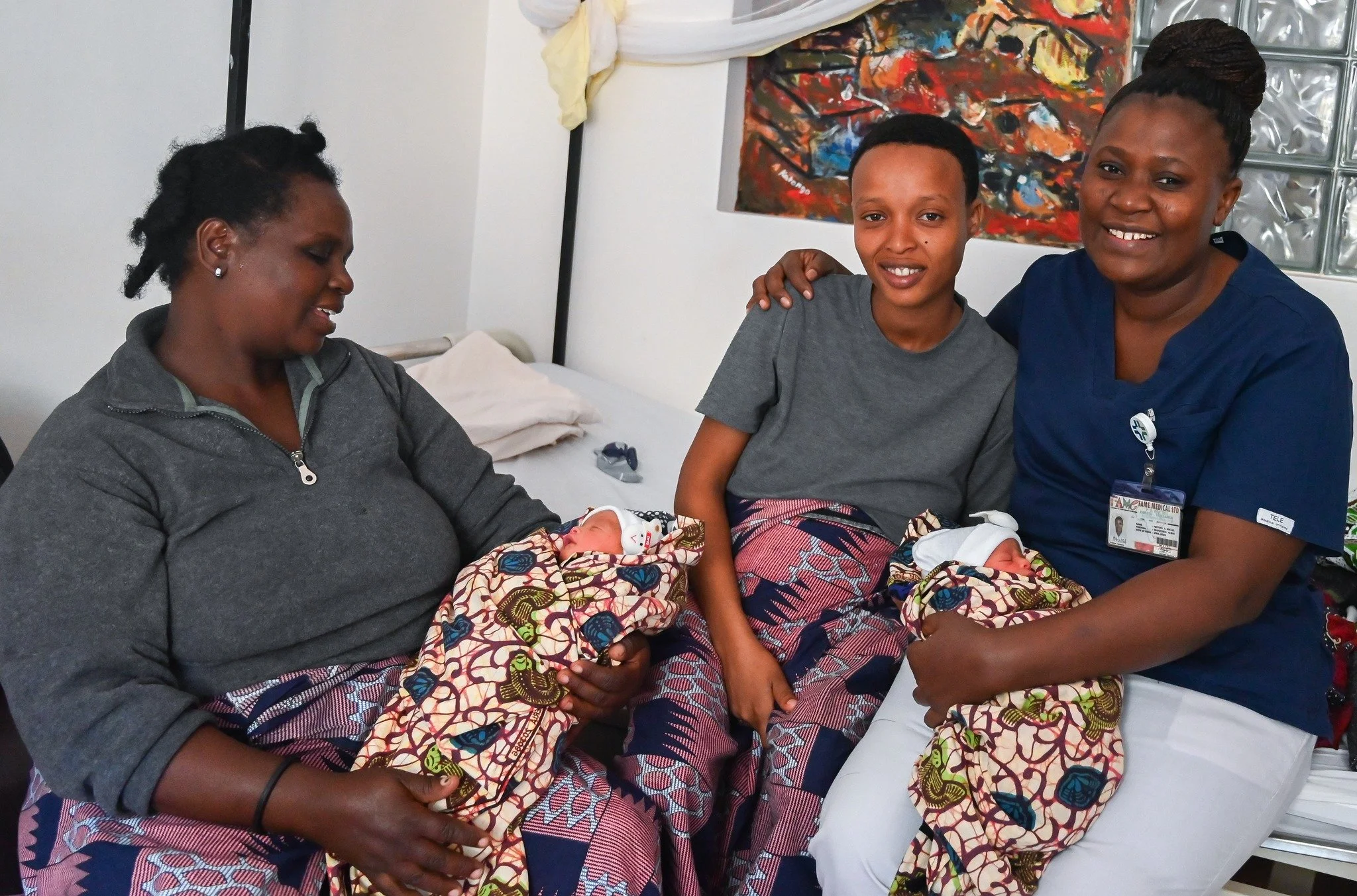
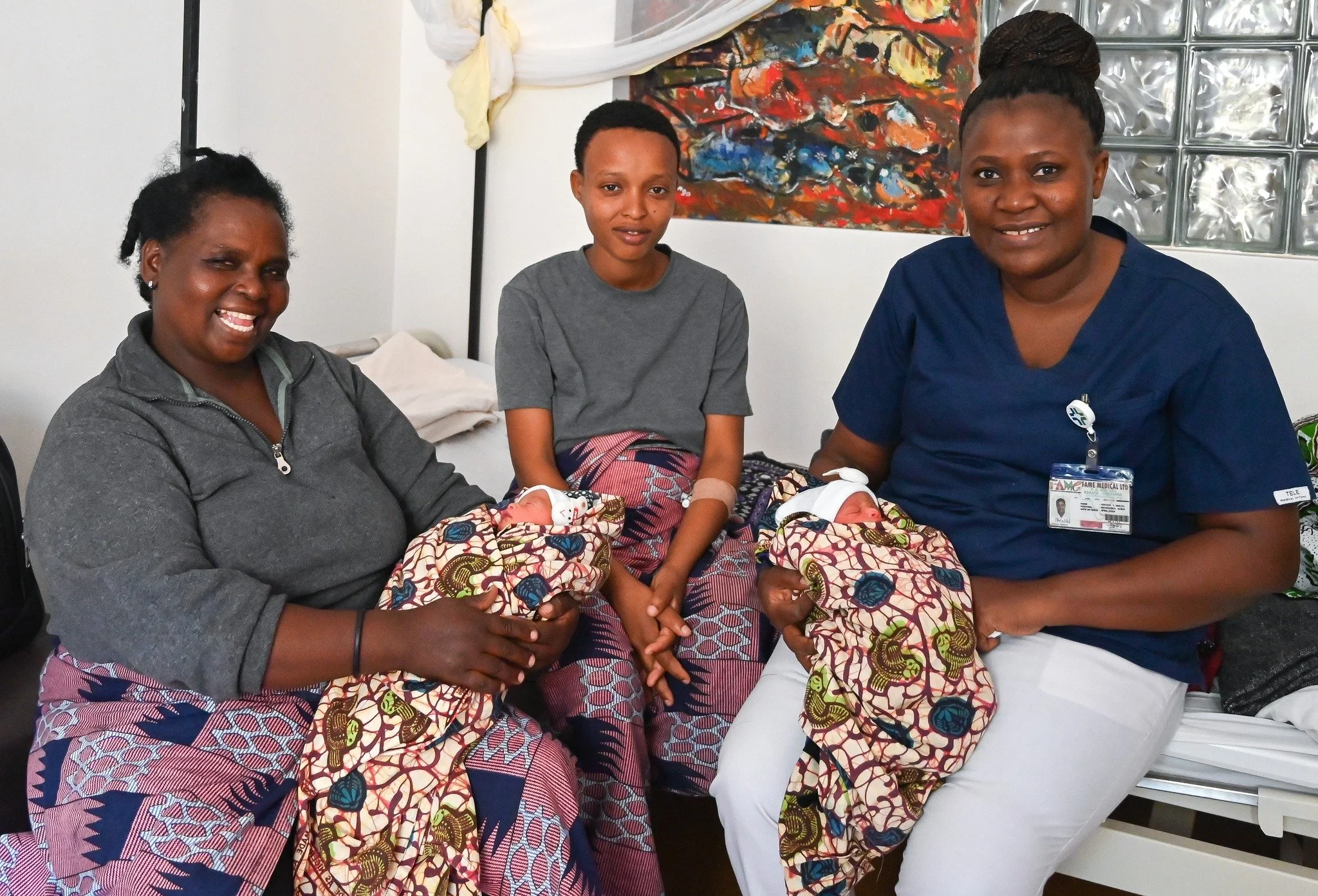
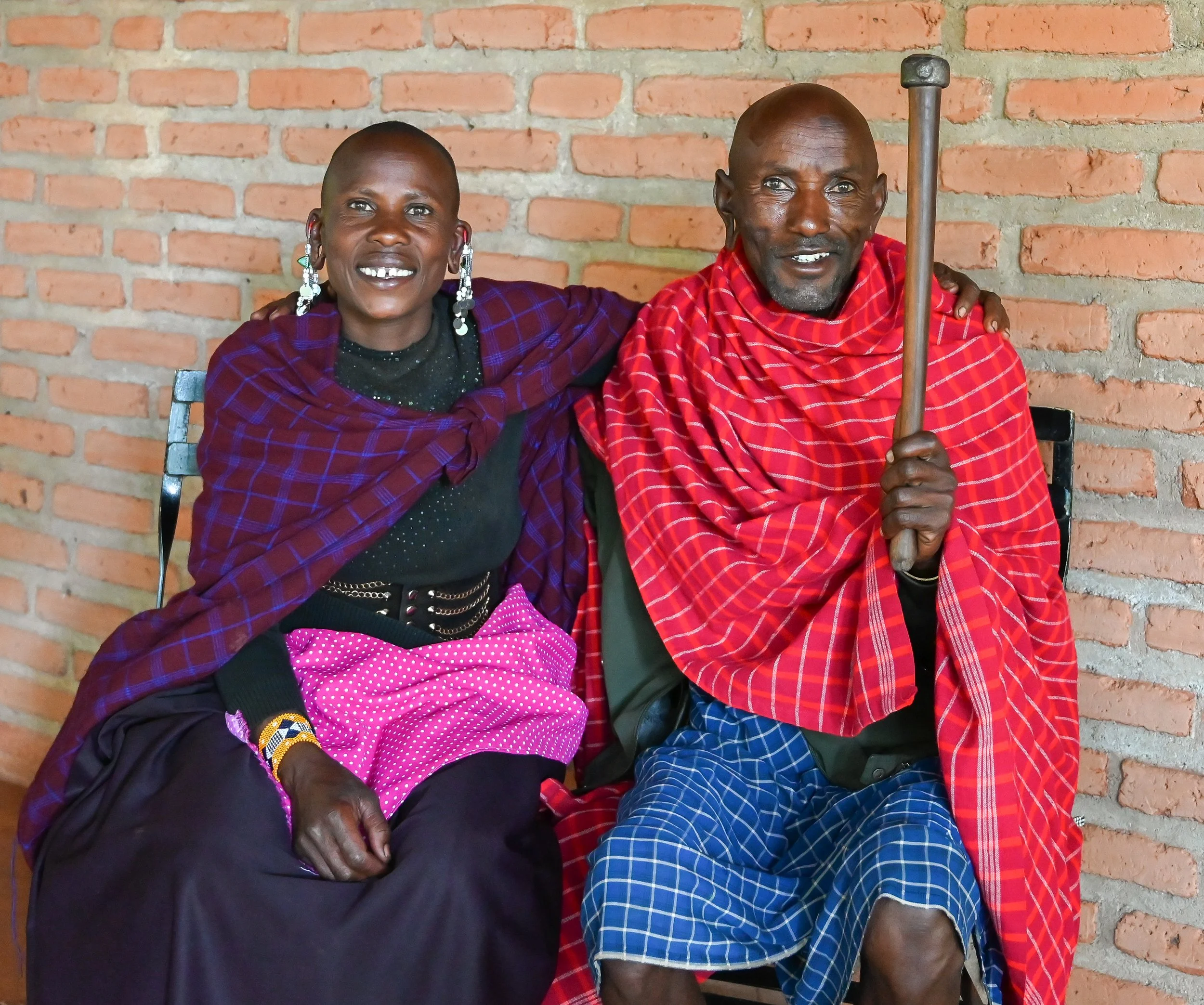
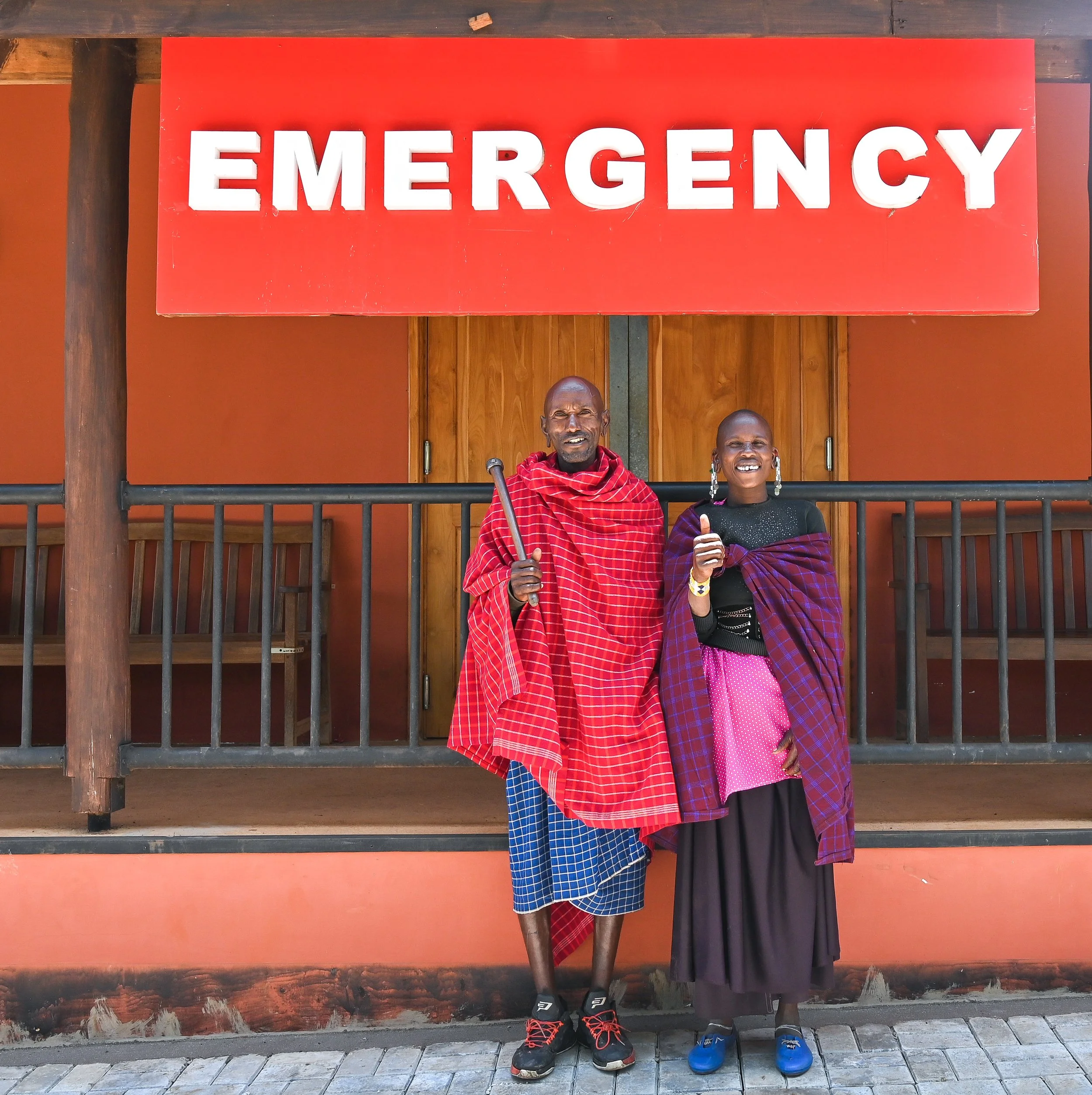
At FAME Hospital, our medical teams often care for high-risk pregnancies that require precise attention and care. "Footling and bleeding, if not managed properly, can lead to the loss of the baby, the mother, or both," said Nurse Nditoya (right) , recalling the critical condition of Easter, who arrived at FAME pregnant with twins.

A footling presentation is a type of breech position in which one or both babies are positioned feet-first rather than head-first. This is considered a high-risk delivery and requires close monitoring. In many cases, a cesarean section (c-section) is the safest option.

When Easter’s condition suddenly deteriorated at home, her mother-in-law, Emily (left), acted quickly and rushed her to FAME to protect both Easter and the unborn babies. After a thorough examination, the medical team determined that an emergency c-section was necessary.

The twins were delivered safely and immediately admitted to FAME’s neonatal intensive care unit (NICU), where they received oxygen therapy. This rapid response reflects the hospital’s ability to manage complications such as respiratory distress and birth asphyxia.

Thanks to the expertise and dedication of FAME’s doctors and nurses, the twins are now thriving. "They survived because of the care we received here at FAME," Emily said with relief. "Today, we're going home, happy to return to our family."

FAME is a leader in managing complex deliveries, including breech presentations, placenta previa and umbilical cord prolapse. With skilled staff, essential equipment and compassionate care, FAME remains a lifeline for mothers, newborns and families across the region. Every safe delivery at FAME is a reminder of what’s possible when families have access to high-quality maternal and newborn care.

FAME Africa
When the Wild Strikes

FAME, nestled in the heart of Tanzania's breathtaking safari destinations, is no stranger to the power of the natural world. Surrounded by the Serengeti, Ngorongoro, Manyara and Tarangire safari parks, the community has grown accustomed to the occasional wildlife encounter. And when emergency strikes: a buffalo attacks, a leopard encounter, or something far quieter but just as dangerous - FAME's team is always ready.

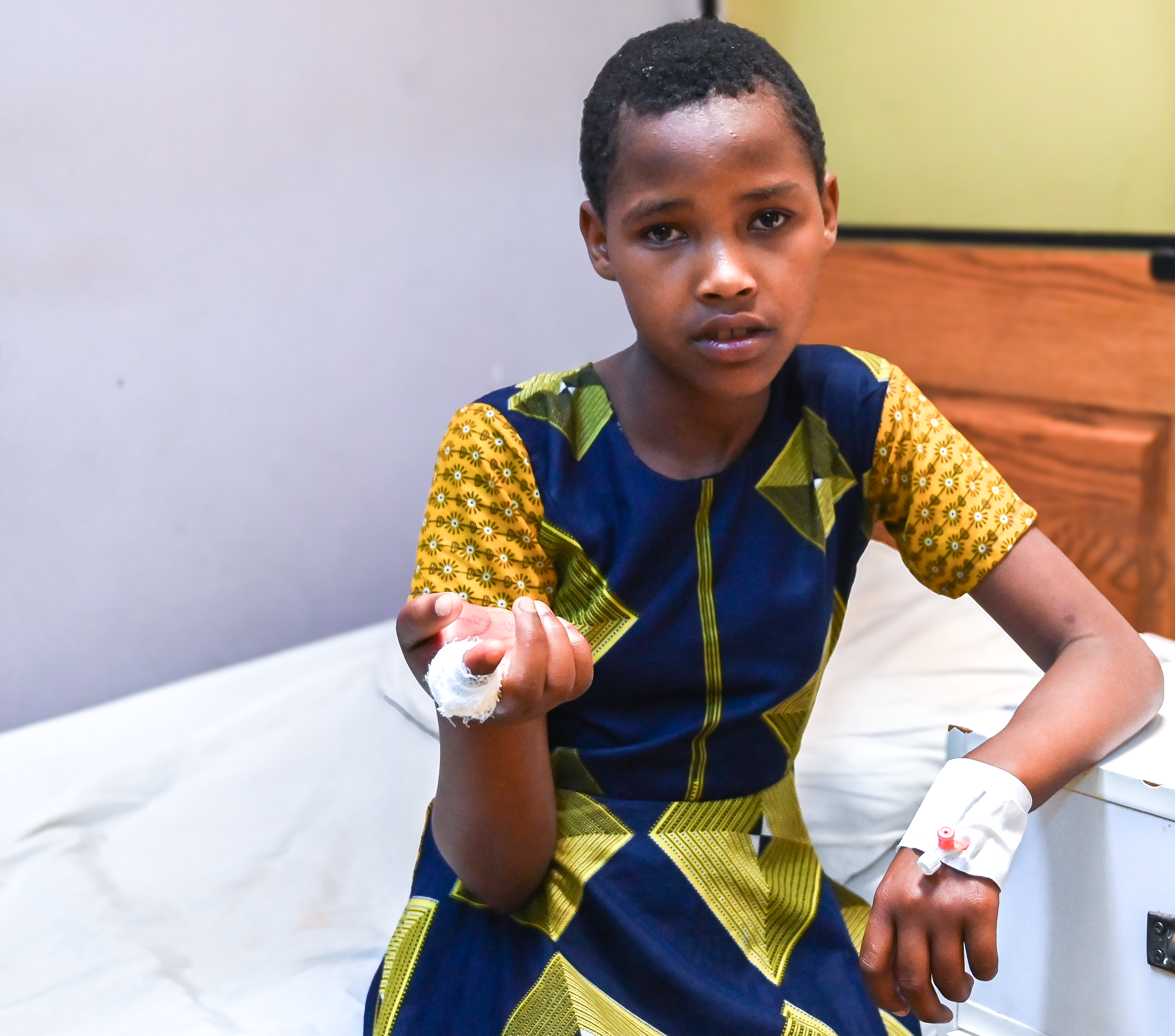
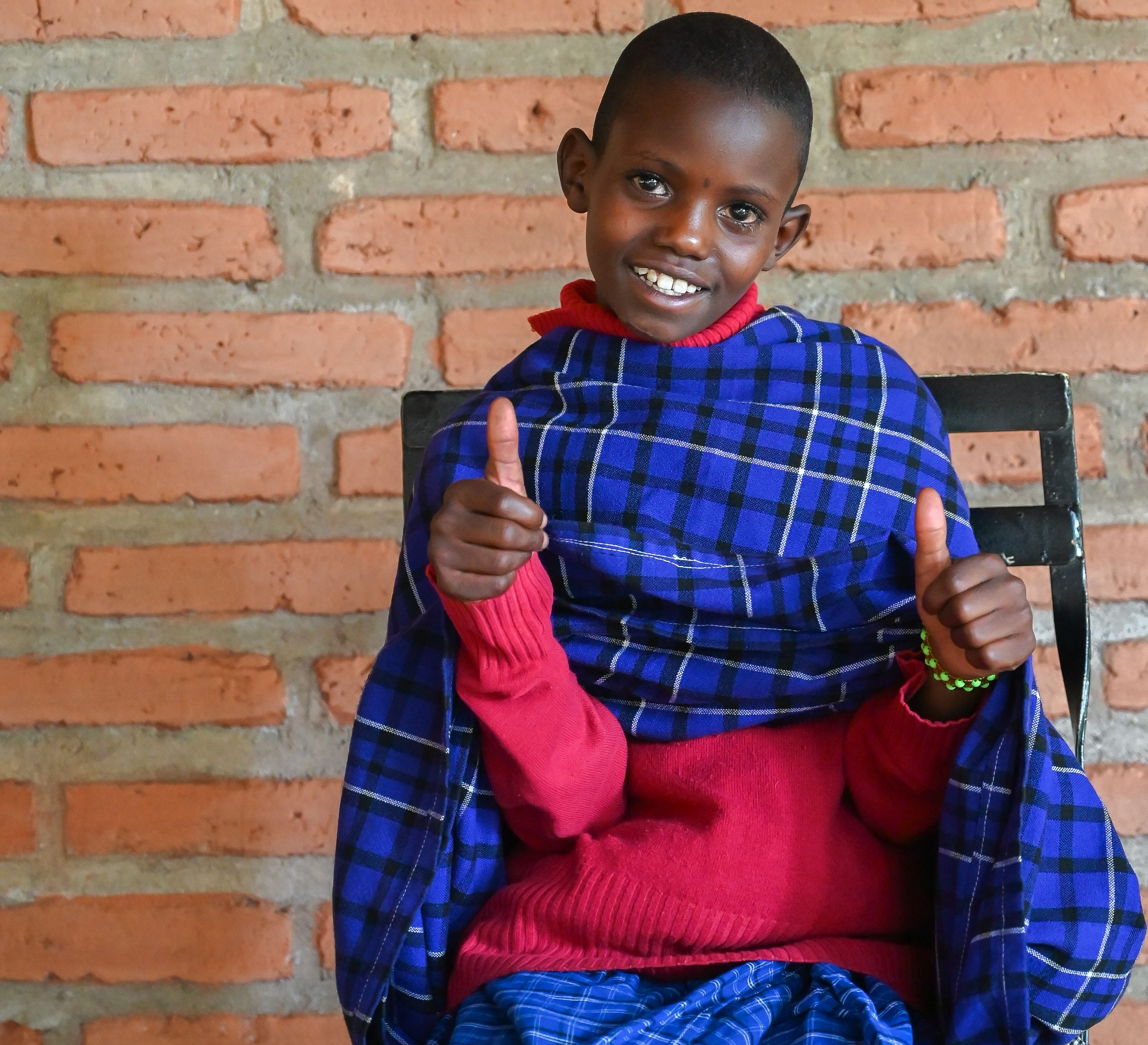
One night, in a small village bordering Lake Manyara National Park, that danger arrived without warning. A young teenager, sleeping peacefully in her grandmother's hut, was jolted awake by a searing pain. A venomous snake had slipped in unnoticed and struck her hand in the dark. Confused and frightened, she woke her grandparents, symptoms quickly escalated: dizziness, vomiting, a racing heart, a hand swollen with agony.

She was rushed to a nearby dispensary, but it was immediately clear that she needed a higher level of care and was brought to FAME at 3 A.M. The diagnosis was a snake bite, vicious and unforgiving. Luckily, she was at the right place. Thanks to our partnership with pflasterfuertansania FAME is fully prepared to respond to snake bites. Equipped with training and life-saving polyvalent snake antivenom, the FAME team is prepared with skills in snake identification, safe handling and evidence-based clinical management, ensuring patients like Suzy receive timely and effective care when every minute matters.

The following day, a venomous snake was spotted lurking around the girl's home, confirming the worst.

For a week, Suzy was admitted at FAME with severe symptoms from the bite. Eventually, she turned a corner and was discharged. And for the first time, she smiled! Her grandparents were overwhelmed with gratitude, their eyes shining with tears. "On our way here, I had no hope that Suzy would make it," her grandfather said, his voice cracking with emotion. "But you people, you've given us a second chance. You've saved our girl, and for that, we'll be forever grateful."

FAME Africa